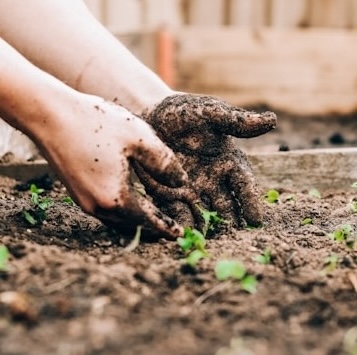
Just because the calendar says September doesn’t mean the growing season is over. In fact, cooler nights and still-warm soil create the perfect conditions for a final flurry of sowing. Some crops will give you quick harvests before winter, while others sit tight and reward your patience with early spring pickings. Here are 10 seeds worth sowing this month.
Spinach
Cooler weather means spinach won’t bolt as quickly as it does in summer. Sow directly into well-prepared soil or containers and you’ll be cutting baby leaves within 4–6 weeks. Keep picking regularly and the plants will reward you with a steady stream of nutritious greens. If you protect them with fleece, they’ll often soldier on through winter.
Winter Lettuce
Look for hardy varieties like ‘Arctic King’ or ‘Winter Density’. Sown in September, they’ll establish small rosettes that happily overwinter, then burst into growth as soon as spring arrives. For insurance against hungry pigeons or a cold snap, it’s best to cover them with cloches or netting.
Spring Onions
A patient gardener’s crop: sow now and they’ll quietly develop over the winter before giving you that satisfying crunch in early spring. Choose hardy cultivars such as ‘White Lisbon (Winter Hardy)’. They don’t need much space, making them perfect for gaps in beds or window boxes.
Cabbage
Spring cabbages like ‘April’ or ‘Durham Early’ can be sown in September for transplanting out later in autumn. They overwinter as small plants and come into their own the following year, giving you leafy greens at a time when little else is ready. Just remember to net them, as pigeons consider them a personal buffet.
Broad Beans (aka Fava Beans)
Hardy broad beans are a classic autumn sowing. Varieties such as ‘Aquadulce Claudia’ or ‘Super Aquadulce’ germinate before winter and then pause, ready to romp away at the first hint of spring warmth. They’ll crop earlier than spring-sown beans, giving you a head start in the hungry months. Plus, their flowers are among the earliest bee food.
Kale
Few crops earn their keep like kale. Sow it now and you’ll get tender baby leaves in late autumn, followed by hardy plants that keep producing right through winter. Varieties such as ‘Red Russian’ or ‘Cavolo Nero’ don’t just taste good, they look good too, with their frilly or strappy leaves adding a splash of drama to the veg patch. The more you pick, the more it grows, making it one of the best value greens around.
Pak Choi
Pak choi is a crop that thrives as the days shorten. Summer sowings often bolt, but September sowings grow into lush clumps of crunchy stems and tender leaves. You can harvest them whole or cut them leaf by leaf for stir-fries, soups, or salads. Slugs love them too, so keep an eye out.
Radish
If you’re impatient, radishes are your friend. Sown at the start of September, they can be ready in as little as 4 weeks. Opt for quick-maturing varieties like ‘French Breakfast’. They’re great for intercropping, tuck them between slower crops, harvest quickly, and they’ll be gone before the neighbours even notice.
Turnip
Forget the woody, oversized turnips of childhood dinners September sowings produce sweet, tender roots that are a joy to roast, mash, or slice into salads. Varieties like ‘Tokyo Cross’ and ‘Purple Top Milan’ are reliable performers. Don’t forget the tops: young turnip greens are delicious wilted like spinach.
Mustard Greens
Fiery, fast, and versatile, mustard greens bring a peppery punch to salads, sandwiches, and stir-fries. Sow in September and you’ll have pickable leaves within weeks. If you don’t fancy eating them all, they can double up as a green manure, just dig them back into the soil to add organic matter and improve fertility for next year’s crops.