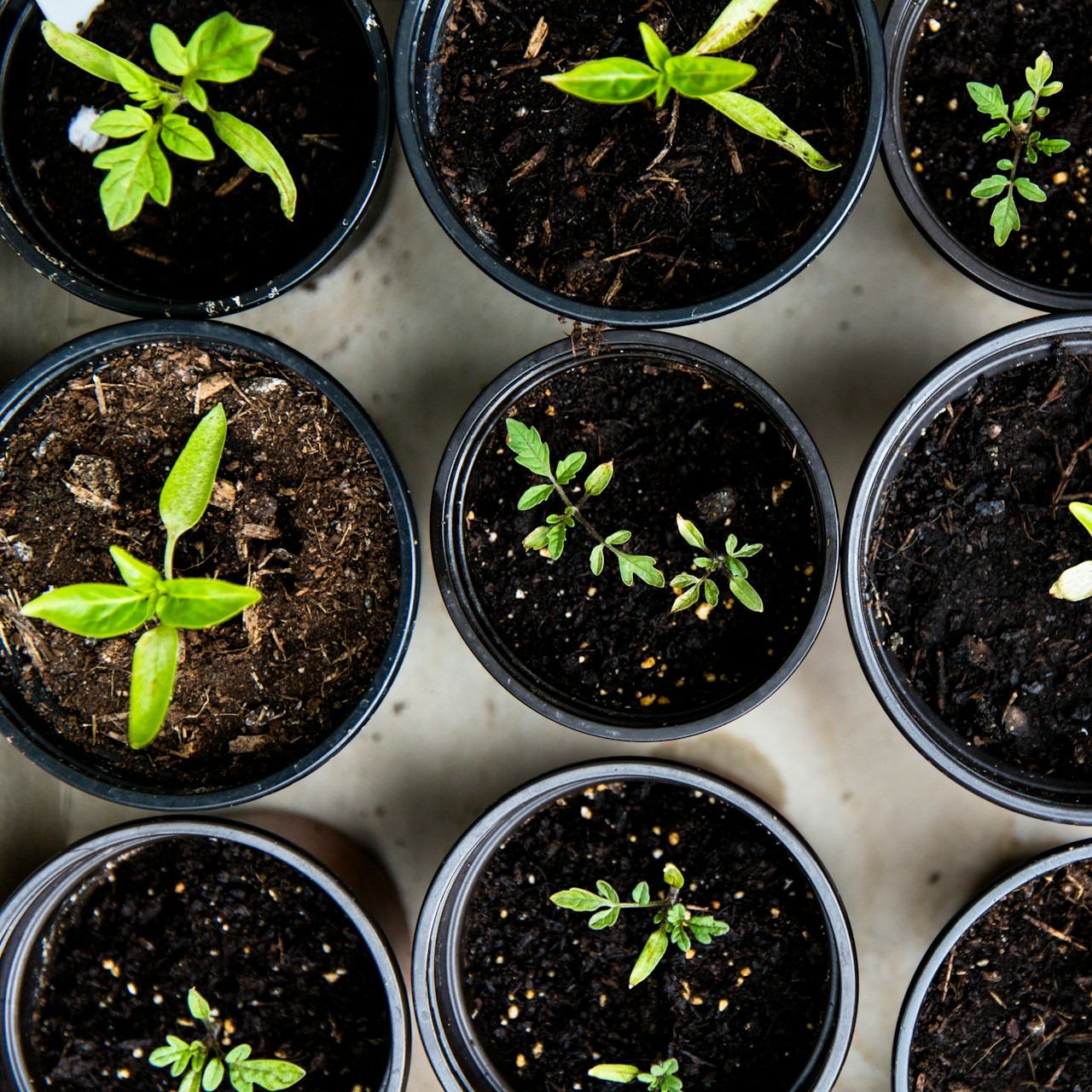
January's grey days can feel like they'll last forever, but if you're a gardener, you know the truth: spring is just around the corner. And if you want to get a jump on the growing season, now's the perfect time to start sowing seeds indoors. Starting seeds on your windowsill isn't just practical – it's deeply satisfying. There's something almost miraculous about coaxing tiny seeds into life while frost still patterns the windows.
What You Actually Need
The good news? You don't need a fancy greenhouse or expensive equipment. Here's the basic kit:
Containers with Drainage
Seed trays, modules, yogurt pots, egg cartons, takeaway containers – anything works as long as it has drainage holes. Modules (individual cells) are brilliant because they minimize root disturbance when transplanting.
Compost
Almost any compost will do for seeds. The key thing is drainage, not nutrient levels. If your compost feels heavy or holds too much water, mix in some grit, perlite, or vermiculite to open it up.
Light
This is non-negotiable. Seeds need bright light once they germinate, or they'll grow tall and spindly (a sad condition called "leggy"). A south-facing windowsill is ideal. If you don't have great natural light, a simple grow light makes a huge difference.
Warmth
Most seeds germinate best in warm conditions, around 18-21°C. A heated propagator is lovely if you have one, but the top of the fridge, near a radiator, or even just a warm room works fine. Once seedlings emerge, they can usually handle cooler temperatures.
Labels and a Pen
Trust me on this. You will not remember what you planted where. Use plant labels or lolly sticks and write clearly. Future you will be grateful.
Which Seeds to Start Indoors
Not everything needs (or likes) an indoor start. Here's a rough guide:
Perfect for Indoor Sowing:
Tomatoes
Peppers and chillies
Aubergines
Cucumbers
Basil and tender herbs
Inside or Out:
Courgettes and squash (they grow fast, so don't start too early!)
Sweetcorn
Brassicas like cabbage and broccoli
Better Direct Sown:
Root veg such as carrots and parsnips. It’s impossible to transplant them without disturbing the taproot, which almost always leads to forked, stunted, or generally sulky plants.
The How-To
1. Check the Timing
Seed packets tell you when to sow. If it says "sow under cover in March," that's your cue. Starting too early means leggy, pot-bound plants with nowhere to go. Most tender crops like tomatoes and peppers want 6-8 weeks of indoor growing before they can go outside after the last frost.
2. Fill and Firm
Fill your containers with seed compost, but don't pack it down too hard – you want it firm but not compacted. Leave a small gap at the top for watering.
3. Sow at the Right Depth
General rule: sow seeds at a depth twice their diameter. Tiny seeds like petunia barely need covering – just press them onto the surface. Larger seeds like sunflowers or beans want to be pushed down about 2cm. Check the packet.
4. Water Gently
Use a fine rose on your watering can or a spray bottle. You want the compost moist but not waterlogged. Bottom watering (sitting trays in water until moisture wicks up) is gentler and won't wash seeds around.
5. Cover Until Germination
Pop a clear lid, cling film, or a clear plastic bag over your seeds to keep humidity in. Once you see green shoots, take the cover off to prevent fungal problems.
6. Move to the Light
As soon as seedlings emerge, they need maximum light. Turn trays daily so they don't all lean toward the window. If they're getting leggy, they need more light or cooler temperatures to slow their growth.
Common Mistakes (And How to Avoid Them)
Starting Too Early
It's tempting, but a tomato sown in January will be a miserable, overgrown mess by May. Follow the timing on the packet or work backwards from your last frost date (typically mid-May in most of the UK).
Overwatering
More seedlings die from overwatering than underwatering. The compost should be moist, not soggy. If in doubt, wait another day.
Forgetting to Harden Off
Seedlings raised indoors are basically pampered houseplants. They need gradual acclimatization (hardening off) before facing the real world. A week or two before planting out, start putting them outside during the day, bringing them in at night. Gradually increase their outdoor time. This toughens them up.
Skipping the Potting On
If seedlings outgrow their modules, pot them into larger containers. Cramped roots = stressed, stunted plants. Watch for roots coming out drainage holes or top growth that looks too big for the pot.
The Joy of It All
Yes, you could buy plug plants. But there's something uniquely satisfying about starting from seed. You get more choice, more plants for less money, and the smug satisfaction of watching something you grew from scratch flourish in your garden.
Plus, on a grey January day when the garden's asleep and your hands are itching to get muddy, there's genuine therapy in filling seed trays and tucking tiny seeds into compost. You're not just growing plants – you're nurturing hope, planning abundance, and bringing spring a little bit closer.
So grab some seeds, clear a windowsill, and get sowing. Your summer garden starts now.