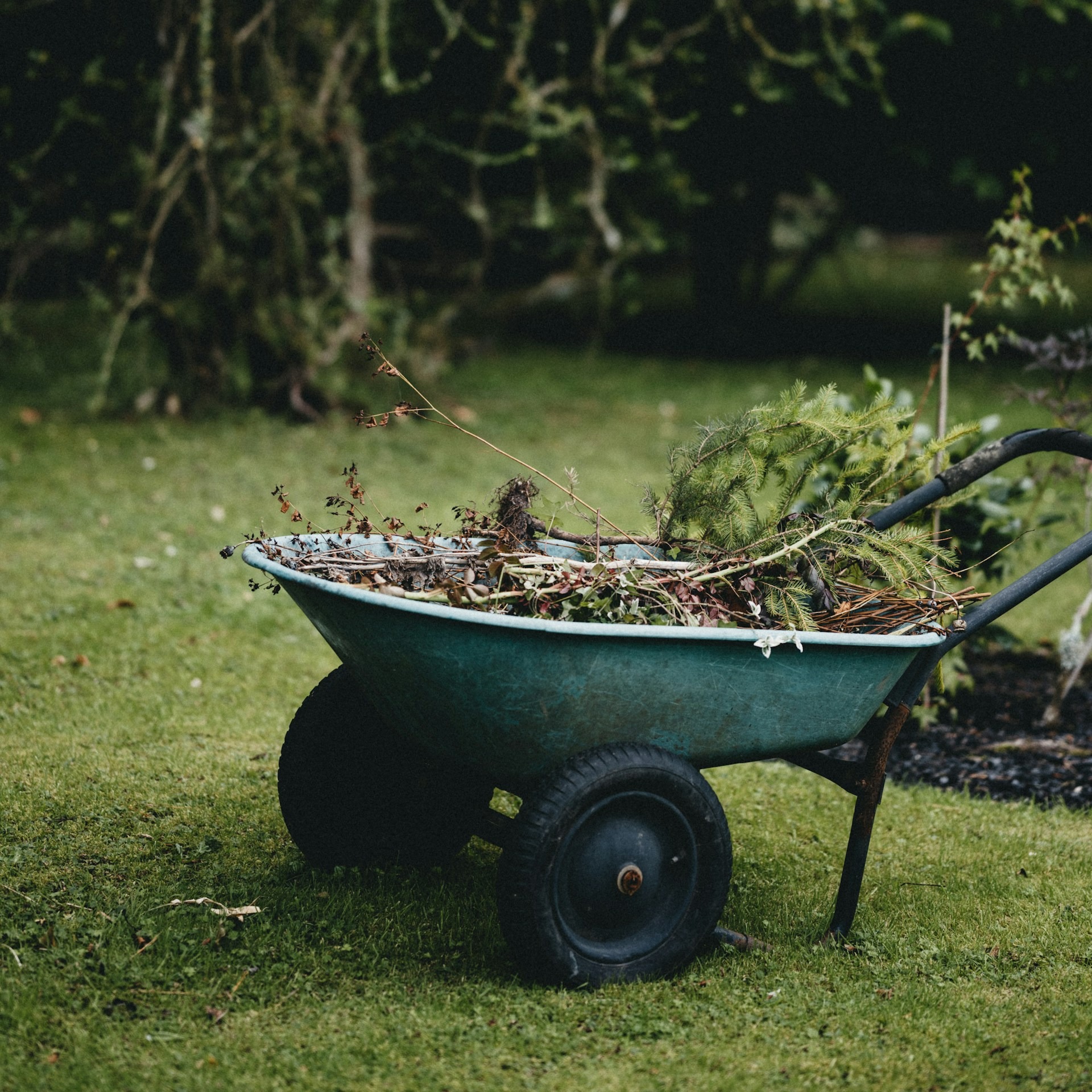
September is a month of two halves. The first weeks can feel like the tail end of summer, still picking tomatoes and courgettes, while the back half starts to smell distinctly of autumn: cooler mornings, shorter days, and the first hints of frost on the horizon.
It's a genuinely busy month too, harvesting, storing, sowing, and starting to batten down for winter, often all at once. Here's what to prioritise.
Priority 1: Harvest and Store the Summer Crops
Anything that's ready needs picking, and anything close to ready needs a plan before the weather turns. Winter squash and pumpkins should be cured somewhere warm and dry for a week or two once the skin has hardened, then stored somewhere cool. Maincrop potatoes are best lifted now rather than left in increasingly wet, slug-prone soil.
Onions and garlic that have been drying should be fully cured and ready to store or plait by now. Green tomatoes that clearly won't ripen outdoors before the weather cools can be brought indoors to finish on a sunny windowsill, or turned into chutney.
Priority 2: Plant Garlic for Next Summer
September through October is prime planting time for garlic, and it genuinely benefits from a spell of cold weather early on to trigger good bulb formation. Choose a variety suited to autumn planting, split the bulbs into individual cloves just before planting, and push them into well-drained, weed-free soil about 5cm deep and 15-20cm apart.
Don't plant supermarket garlic; it's rarely suited to UK conditions and can carry disease. Seed garlic from a reputable supplier costs a little more but performs far better.
Priority 3: Divide and Propagate Perennials
The soil is still warm but the weather has cooled, which makes early autumn one of the best windows of the year for dividing overgrown herbaceous perennials. Lift congested clumps, split them into smaller sections with a spade or two forks back to back, and replant straight away.
It's also worth taking cuttings of tender perennials like pelargoniums and fuchsias as insurance against a hard winter, and potting up a few herbs to bring indoors for a fresh supply once the outdoor plants slow down.
Priority 4: Clear, Tidy, and Prepare Beds
As crops finish, clear them promptly rather than leaving spent plants to harbour pests and disease over winter. Healthy material can go on the compost heap; anything diseased should be binned rather than composted.
Beds that won't be used again until spring benefit from a quick sowing of a green manure to protect and improve the soil over winter, rather than being left bare. Increasing pigeon pressure on brassicas as other food sources dwindle makes now a good time to check netting is secure.
Priority 5: Watch for the First Frosts
Frost dates vary hugely across the UK, but it's worth keeping an eye on the forecast from mid-September onwards, especially if you're in a cooler or more exposed area. Tender crops still cropping, such as tomatoes, courgettes, and beans, can be protected with fleece on a night when frost is forecast, buying yourself extra weeks of harvest.
Give the greenhouse a clean now, glass and all, so it's ready to take in tender potted plants at short notice once a proper cold snap arrives.
What Can Wait
Hard pruning of trees and shrubs (better done once they're properly dormant in winter)
Major digging or bed-building projects (clear crops first, build later)
Heavy feeding of any kind (plants are naturally slowing down; pushing soft new growth now just makes it vulnerable to frost)
Lifting dahlias and other tender bulbs (leave them until the foliage is blackened by the first proper frost)
September rewards a bit of prioritising. Get the harvest in, the garlic planted, and the beds tidied, and the rest of autumn's jobs will feel far more manageable.