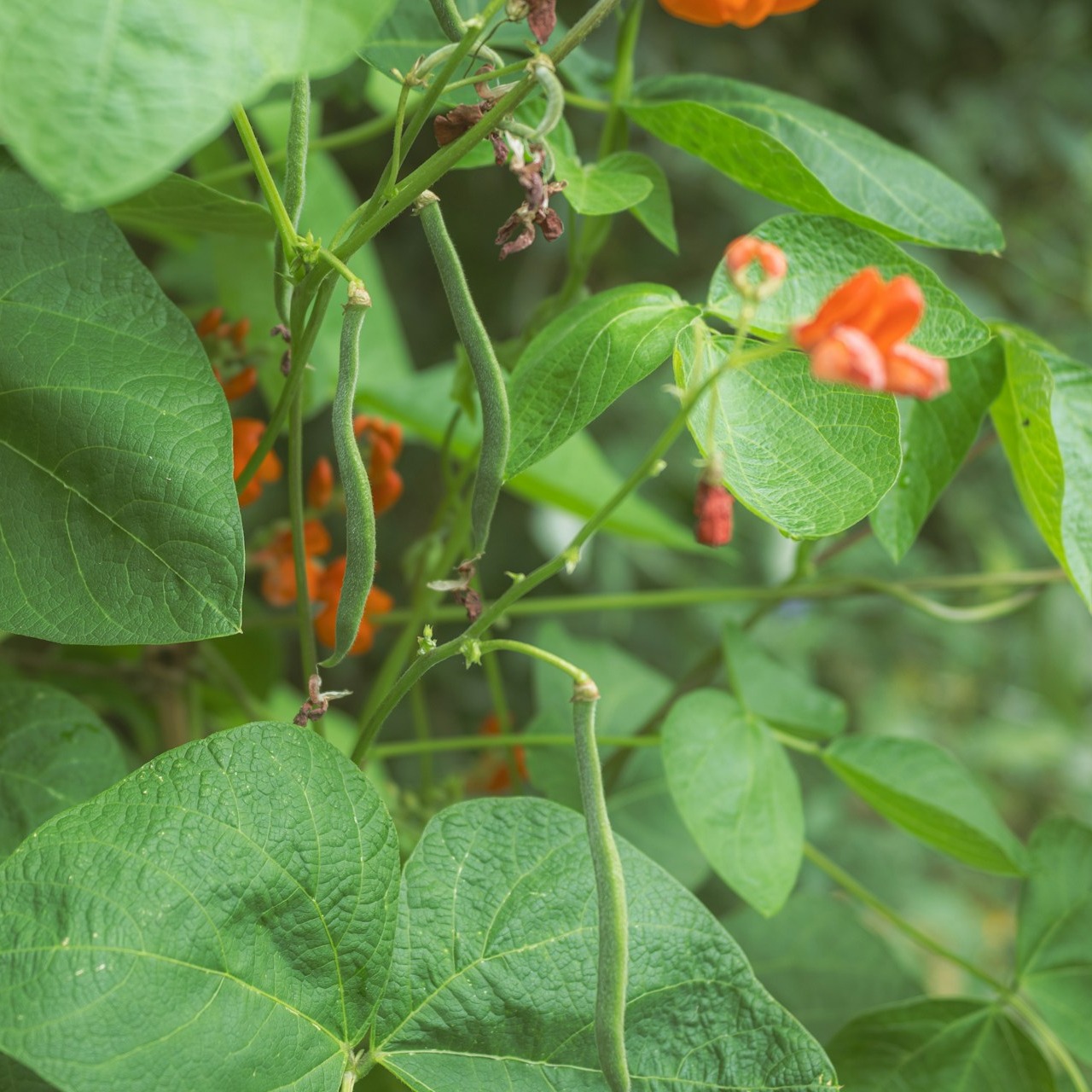
Beans are one of the easiest and most rewarding crops you can grow. They're productive, reliable, and most varieties are happy in British summers. But if you're only growing standard green beans, you're missing out on a world of colour, flavour, and variety.
Heritage beans offer something special: stunning pods in purple, yellow, and speckled patterns; flavours that put supermarket beans to shame; and the satisfaction of growing varieties that have been cherished for generations. Let's look at some heritage beans absolutely worth a spot in your garden.
Why Heritage Beans?
Modern bean breeding focuses on uniformity, disease resistance, and heavy cropping for commercial growers. All useful, but heritage varieties offer something different: exceptional flavour, beautiful pods, and the ability to save seeds year after year.
Many heritage beans are dual-purpose. You can eat them young as fresh beans, or leave them to mature and harvest the dried beans for winter soups and stews. That's two crops from one plant.
Plus, they're gorgeous. Purple pods, yellow wax beans, speckled borlotti, beans striped like old-fashioned sweets. They're as beautiful as they are tasty.
Our Top Heritage Beans
Borlotti (also called Cranberry Beans)
These Italian beauties are worth growing just for the looks. The pods are cream splashed with bright red streaks, and the beans inside are speckled pink and white. Stunning.
Grow them as climbers (they'll reach 2-3m) and pick young for fresh beans, or leave to mature and dry for classic Italian bean dishes. The flavour is rich and creamy, perfect for soups, stews, and pasta dishes. They need a warm summer to fully ripen, so a sheltered spot helps.
Cherokee Trail of Tears
A climbing bean with a powerful history. This variety was carried by the Cherokee people during their forced removal from ancestral lands in the 1830s, making it over 180 years old.
The beans are small, shiny black, and incredibly prolific. Excellent eaten fresh when young (green pods with purple streaks), or dried for winter use. Plants are vigorous, reliable, and will crop heavily even in average summers. The dried beans are superb in chilli and bean stews.
Blue Lake
An American heirloom from the early 1900s, beloved for its flavour and productivity. These are climbing French beans with long, straight, stringless pods that stay tender even when large.
The flavour is sweet and rich, miles better than standard supermarket beans. Plants crop heavily over a long period and are fairly disease-resistant. Perfect for freezing if you get a glut. Available as both climbing and dwarf versions.
Purple Podded Climbing Bean
Sometimes sold as 'Blauhilde', these produce masses of deep purple pods that are incredibly easy to spot when picking (no more missed beans hiding in the foliage).
The pods are stringless, tender, and sweet. They turn green when cooked, but raw they're beautiful in salads. Plants are vigorous climbers, very productive, and reliable even in cooler summers. A great choice for beginners.
Czar (Runner Bean)
A white-flowered runner bean from the 1880s, which means it's more reliable in cool weather than red-flowered types (red flowers need warmth to set pods properly).
The beans are long, flat, and exceptionally tender with great flavour. Plants are vigorous and will easily reach 3m, so give them sturdy support. Crops heavily from July right through to the first frosts.
Growing Heritage Beans
When to Sow
Beans hate cold. Wait until the soil has warmed up (at least 12°C, ideally 15°C+) before sowing outdoors. In most of the UK, that means late May or early June. Sowing too early just results in seeds rotting in cold, wet soil.
You can start them indoors in late April or early May (one bean per small pot) and plant out after the last frost, but beans don't love root disturbance. If you do start them indoors, plant them out before roots get pot-bound.
Support for Climbers
Climbing beans need sturdy support. Traditional wigwams of bamboo canes, rows of canes with netting, or a strong trellis all work. Get supports in place before or just after sowing; trying to install them around growing plants is a nightmare.
Beans twine anticlockwise up supports. If they're going the wrong way when young, gently unwind and point them in the right direction.
Spacing
For climbing beans, sow or plant 15-20cm apart. Dwarf beans can go 10-15cm apart in rows 45cm apart. They don't need rich soil (they fix their own nitrogen), but they do appreciate consistent moisture and a sunny spot.
Harvesting
Pick regularly to keep plants productive. The more you pick, the more they produce. For fresh eating, harvest when pods are young and tender (before you can see the beans bulging inside).
For drying beans, leave pods on the plant until they've fully matured and started to dry. Pick when the pods are crispy and the beans rattle inside. Shell them out and dry thoroughly before storing in jars.
Common Issues
Blackfly (black aphids) love beans, especially the growing tips. Pinch out the tips once plants reach the top of supports; this removes the aphids' favourite spot and the plants focus on pods instead of height.
Slugs can demolish young seedlings overnight. Protect with cloches, copper tape, or your preferred slug deterrent until plants are established.
Saving Bean Seeds
Beans are one of the easiest crops for seed saving. Here's how:
Leave a few of your best pods on the plant to fully mature and dry. Don't pick them for eating. The pods will turn brown and papery, and you'll hear the beans rattling inside.
Pick the dried pods, shell out the beans, and spread them on a tray somewhere warm and dry for another week or two to ensure they're completely dry. Store in paper envelopes or jars in a cool, dry place.
Those seeds will be viable for 2-3 years (sometimes longer), giving you beans to grow, share, and swap. Keep the best seeds from your healthiest, most productive plants and you're not just saving money; you're gradually selecting a strain that's perfectly adapted to your garden.
Why Grow Beans?
Heritage beans give you flavour and variety you simply can't buy. They connect you to gardening history and food traditions from around the world. And because you can save seeds, one packet can last you years (or even a lifetime if you keep saving).
They're reliable, productive, and genuinely beautiful. Whether you're growing them fresh for summer meals or drying them for winter stews, heritage beans are one of the most rewarding crops you can plant.
This spring, give a heritage variety a try. You might just find your new favourite.