Walk past the courgette section in any supermarket and you'll see the same thing: dark green, uniformly cylindrical, utterly predictable. Functional, yes, but where's the excitement?
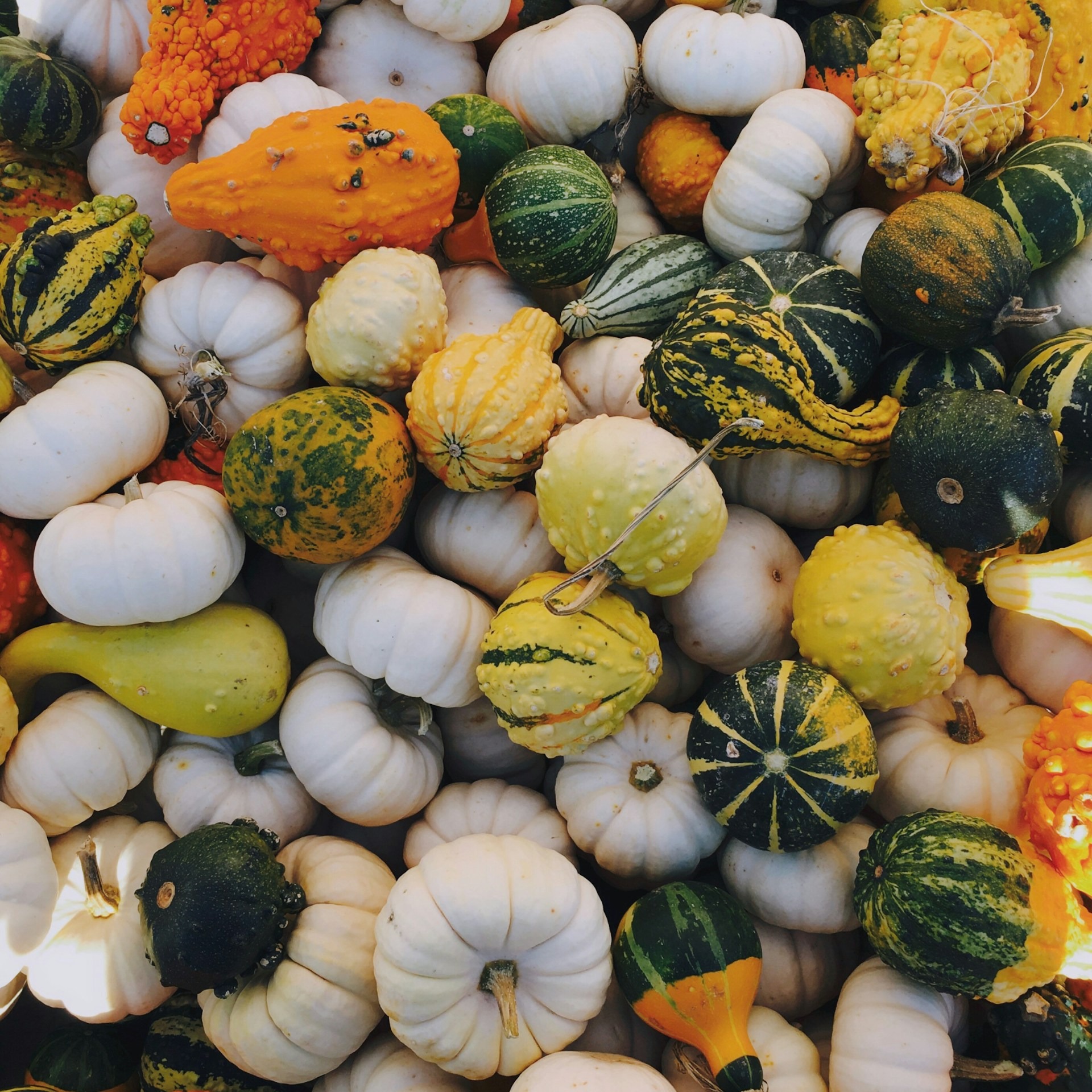
Heritage squash and courgettes offer something completely different. Weird and wonderful shapes, colours ranging from pale yellow to deep orange to striped green, and flavours that make you realise what these crops are supposed to taste like. Plus, they store brilliantly, they're easy to grow, and they're about as low-maintenance as vegetables get.
Why Heritage Squash and Courgettes?
Modern courgette breeding prioritises uniformity and heavy cropping. You get reliable plants that produce loads of identical vegetables, which is great for commercial growers but doesn't leave much room for flavour or character.
Heritage varieties were selected by gardeners and small farmers who valued taste, storage ability, and adaptability. Many are dual-purpose: harvest young as courgettes or let them mature into winter squash that store for months.
They're also open-pollinated, so you can save seeds from your best fruits and grow them again next year. One packet can become a lifetime supply.
Our Top Heritage Varieties
Tromboncino (Climbing Courgette)
This Italian heirloom is a game-changer. Instead of a bush plant taking up a square metre of ground, Tromboncino climbs (up to 2-3m), saving masses of space. The fruits are long, curved, and pale green with a bulbous end.
Pick them young (30-40cm) as courgettes with a sweet, nutty flavour far superior to standard types. Leave them to mature and they become winter squash that store for months. The climbing habit also means fruits hang cleanly and are less prone to rotting than ground-level courgettes. Bonus: they're more resistant to powdery mildew.
Costata Romanesco
A beautiful Italian ribbed courgette with striped pale and dark green skin. The ribs make it look almost sculptural, and the flavour is exceptional: sweet, nutty, and rich.
Pick them small (10-15cm) for the best flavour and texture. The flowers are prolific and delicious stuffed and fried. Plants are vigorous bush types and incredibly productive. This is the variety that converted many gardeners to growing courgettes properly.
Marina di Chioggia
A show-stopping Italian heirloom winter squash with warty, blue-grey skin, named after the fishing town of Chioggia near Venice where it has been grown for generations. The fruits are large (2-4kg), flattened, and deeply knobbled.
The flesh is dense, dry, and intensely sweet with a deep orange colour, prized in Italy for gnocchi and ravioli filling as much as roasting and soups. Stores brilliantly; cured fruits will keep in a cool, dry place for several months over winter. Plants are vigorous and need space (at least 1.5m per plant), but one or two plants give you enough squash for the whole winter.
Uchiki Kuri (Red Kuri or Onion Squash)
A Japanese variety with bright orange-red, teardrop-shaped fruits. The skin is edible (it softens when cooked), the flesh is smooth and chestnut-flavoured, and it's one of the most reliable squash for British summers.
Fruits are medium-sized (1-2kg), perfect for single meals rather than massive squash you're eating for weeks. Stores well through winter and the flavour actually improves with storage. Compact plants work well in smaller gardens.
Queensland Blue
An Australian heirloom with deeply ribbed, blue-grey skin. The fruits are large (4-8kg) and the flesh is sweet, dry, and perfect for roasting.
These store exceptionally well (6+ months in the right conditions) and improve with age. The thick skin protects them brilliantly. Plants are vigorous and need space, but if you've got room, this is one of the finest winter squash you can grow.
Patty Pan (Custard Squash)
These little UFO-shaped summer squash come in white, yellow, and green. They're not just cute; they're genuinely tasty with a sweet, slightly nutty flavour.
Pick them small (5-8cm across) for the best eating. They're perfect for stuffing, roasting whole, or slicing into salads. Bush plants are compact and productive. Kids love them because they look so unusual.
Growing Tips
When to Sow
Squash and courgettes are tender and hate cold. Sow indoors in late April or May, one seed per small pot, somewhere warm (18-21°C). They germinate quickly (usually within a week).
Plant out after the last frost (typically late May or early June) once the soil has warmed up. If you sow directly outdoors, wait until late May at the earliest.
Spacing and Soil
These are hungry feeders. Prepare planting spots with plenty of well-rotted compost or manure. Bush types need 90cm-1m spacing; trailing types need 1.5-2m. Climbing types (like Tromboncino) need sturdy support: strong trellis, arch, or fence.
They love sun, warmth, and consistent moisture. Mulch around plants to retain moisture and suppress weeds.
Watering and Feeding
Keep them well-watered, especially once fruits start forming. Inconsistent watering can cause fruits to abort or develop poorly. A weekly feed with liquid tomato fertiliser once flowering starts helps production.
Water at the base rather than overhead; wet leaves encourage powdery mildew.
Pollination
Squash produce separate male and female flowers. Males appear first (they have a thin stem), then females (which have a tiny fruit at the base). Both need to be open at the same time for pollination.
In cool weather or if you're not seeing many bees, you can hand-pollinate: pick a male flower, remove the petals, and dab the pollen-covered centre onto the centre of female flowers. Sounds fiddly, but it only takes a minute and guarantees fruit set.
Harvesting
For courgettes and summer squash: pick regularly while small and tender. The more you pick, the more they produce. Let one fruit mature on the plant and production stops.
For winter squash: leave fruits on the plant until the skin hardens and the stem starts to crack and dry. In the UK, this is usually September or October. Cut fruits with a good length of stem attached.
Curing and Storage
Winter squash need curing before storage. Leave them somewhere warm and dry (like a sunny windowsill or greenhouse) for 1-2 weeks. This hardens the skin and helps them store longer.
Once cured, store in a cool, dry place (10-15°C is ideal). Check occasionally and remove any that show signs of rot. Properly cured squash can last 3-6 months depending on variety.
A Word of Caution: Toxic Squash Syndrome
Before you start saving seed, it is worth knowing about "toxic squash syndrome": a rare but genuine risk where squash, courgettes, and pumpkins develop dangerously high levels of cucurbitacins, the bitter compounds that give some cucurbits their natural pest resistance. Affected fruit tastes intensely bitter, and eating even a small amount can cause vomiting, diarrhoea, and stomach cramps within hours. Cases are uncommon, but well documented, and not something to shrug off.
This is exactly where seed saving comes in. Courgettes, summer squash, and most winter squash belong to the species Cucurbita pepo, and so do ornamental gourds. They will happily cross-pollinate with each other, and ornamental gourds naturally carry high cucurbitacin levels. If a bee crosses your courgette with a neighbour's ornamental gourd, the fruit you harvest might still taste completely normal, but seed saved from it can grow into plants that produce genuinely toxic fruit next year, even though the parent looked and tasted fine.
The safeguard is simple: do not save seed from squash or courgettes grown near ornamental gourds, and always taste a tiny sliver of raw flesh before cooking with home-saved seed, especially the first time you grow it out. Bitter squash is not a flavour to push through: bin it, and do not feed it to pets or livestock either.
Saving Seeds
Squash are easy to save seeds from, but there's one complication: different varieties within the same species will cross-pollinate. This means if you grow multiple varieties, you might end up with interesting (but unpredictable) crosses.
For pure seed, only grow one variety of each species per year, or hand-pollinate and cover flowers to prevent cross-pollination.
To save seeds: let a perfect fruit fully mature on the plant. Scoop out the seeds, rinse off the pulp, and spread them on a tray to dry completely (1-2 weeks). Store in paper envelopes somewhere cool and dry. They'll remain viable for 4-6 years.
Why Grow Them?
Heritage squash and courgettes give you flavour, variety, and storage options you can't buy. They're incredibly productive (often too productive with courgettes), they're relatively trouble-free, and many are genuinely beautiful.
Whether you're growing climbing Tromboncino to save space, stockpiling Marina di Chioggia for winter roasts, or delighting kids with UFO-shaped Patty Pans, heritage varieties bring something special to the garden.
This May, give one or two a try. You might just discover your new favourite.