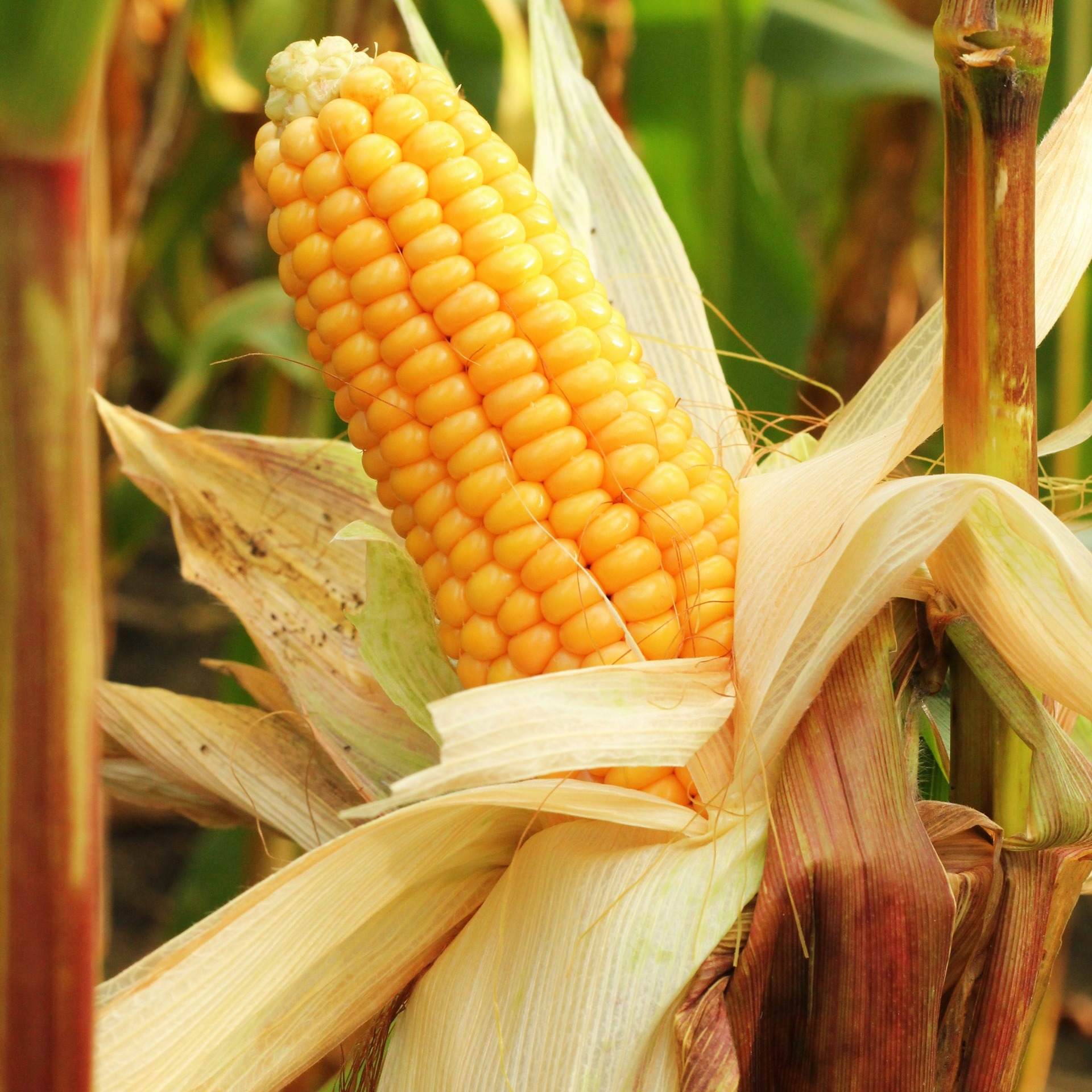
Sweetcorn from the supermarket is bred for one thing above all else: sugar content that holds after picking, so it still tastes sweet days later on a shelf. Modern F1 hybrids (particularly the "supersweet" and "sugary enhanced" types) do that brilliantly, but they come at the cost of the deeper, more complex corn flavour older varieties have.
Heritage sweetcorn is a different experience entirely. The sugars convert to starch faster after picking, which is exactly why you won't find it in shops: it has to be eaten within hours, fresh from your own plot. Grow it yourself, and you get flavour no supermarket cob can match, along with seed you can save and grow again next year.
Why Heritage Sweetcorn?
Almost all sweetcorn sold as seed today, and virtually everything in supermarkets, is an F1 hybrid bred for sweetness, uniform ripening, and a long shelf life. That's useful for commercial growers, but F1 seed doesn't breed true, so there's no seed saving involved: you buy fresh packets every year.
Heritage, open-pollinated sweetcorn varieties trade a little shelf life for genuine 'corny' flavour, and because they breed true, you can save your own seed season after season. Many also predate modern breeding by a century or more, and some carry real history in their story.
There is one important catch: sweetcorn is wind-pollinated, and pollen travels a long way. If you're growing more than one variety (or your neighbour is), isolate them or accept that the seed you save may be a cross. More on that in Saving Seeds below.
Our Top Heritage Varieties
Golden Bantam
The variety that arguably started the American sweetcorn craze, introduced in 1902 and still going strong. Compact 1.5m plants produce 15-18cm cobs with eight rows of rich golden kernels.
The flavour is what people mean when they talk about 'real' corn flavour: sweet but not cloying, with a proper corn taste behind it. It matures relatively quickly (around 70-75 days), which makes it a reliable choice for shorter UK summers.
Country Gentleman (Shoepeg Corn)
An 1890s American heirloom with an unmistakable look: the white kernels are packed onto the cob in no particular rows at all, giving it a jumbled, 'shoepeg' appearance.
The kernels are small, exceptionally tender, and sweet, brilliant eaten straight off the cob or cut for creamed corn. Plants often produce two or three cobs each, which makes up for the slightly longer 85-90 day maturing time.
Stowell's Evergreen
Dating back to 1848, this white heirloom earned its name because it stays in the tender 'milk' stage far longer than most varieties, giving you a much wider harvest window before the kernels turn starchy.
That makes it forgiving if you can't pick the moment it's ready, and useful for spreading a single sowing over a longer harvest. The flavour is rich and creamy, a favourite for both fresh eating and drying.
Black Aztec
A striking Mexican heirloom grown for centuries before European contact. Pick it young and the kernels are creamy white and sweet, perfect fresh eating corn. Leave it to fully mature and dry, and the kernels turn a deep blue-black, ideal for grinding into cornmeal or flour.
It's genuinely dual-purpose and a real talking point in the garden. Plants are vigorous and reliably productive even in average summers.
Double Standard
A more modern open-pollinated variety (bred in the 1980s), proving heritage sweetcorn didn't stop developing after Victorian times. It produces classic bicolour cobs, yellow and white kernels mixed together, with good disease resistance and reliable cropping.
If you want a bicolour cob without buying F1 seed every year, this is the variety to grow.
Growing Heritage Sweetcorn
When to Sow
Sweetcorn needs warmth and hates root disturbance. Start seed indoors in root trainers or toilet roll tubes in late April or May at around 18-20°C, and plant out after the last frost once nights are reliably above 10°C, usually late May or early June. In milder areas, you can sow direct in late May under cloches.
Block Planting Is Essential
Sweetcorn is wind-pollinated, and pollen from the tassels at the top has to reach the silks lower down on neighbouring plants. Planted in a single row, pollination is patchy and you'll end up with cobs full of gaps. Planted in a block (a minimum of 4x4 plants), pollen drifts between neighbours far more effectively.
Space plants 35-45cm apart in both directions within the block.
Feeding and Watering
Sweetcorn is a hungry, thirsty crop. Prepare the ground with plenty of well-rotted manure or compost, and keep plants well-watered, especially once the tassels and silks appear; drought at this stage results in poorly filled cobs. A high-potash feed once plants start to flower helps cob development.
Harvesting
Cobs are ready when the silks have turned brown and dry while the husk stays green. Peel back a little husk and press a kernel with your thumbnail: a milky liquid means it's ripe, a clear liquid means it needs longer, and no liquid means you've left it too late.
Pick and eat (or cook and freeze) as soon as possible; the sugars in heritage varieties start converting to starch within hours of picking.
Saving Sweetcorn Seeds
Sweetcorn seed saving comes with one big complication that most other vegetables don't have: wind pollination over long distances. Corn pollen can travel hundreds of metres, so if your neighbour is growing a different variety (or sweetcorn of any kind), your saved seed may well be a cross.
For pure seed, grow only one variety, isolate plantings by at least 200m from other corn, or stagger sowing dates so flowering times don't overlap. In a small garden with neighbours growing their own corn, treat any saved seed as an interesting experiment rather than a guaranteed match to the parent.
To save seed: leave a few of your best cobs on the plant well past eating stage, until the husks turn brown and papery and the kernels are hard. Pick, peel back the husks, and finish drying somewhere warm and airy for a couple of weeks. Shell the kernels off the cob and store in paper bags or envelopes; they'll stay viable for 2-3 years.
Why Grow Them?
Heritage sweetcorn gives you a flavour that simply doesn't survive the trip to a supermarket shelf, along with a genuine slice of gardening and food history in every cob. Because they're open-pollinated, one packet of seed (grown carefully) can supply you for years.
Whether you're after the classic taste of Golden Bantam, the unusual jumbled kernels of Country Gentleman, or the dual-purpose appeal of Black Aztec, heritage sweetcorn rewards the extra bit of planning that block planting and isolation require.
This is a crop where 'picked five minutes ago' genuinely matters. Give a heritage variety a go this year, and taste the difference for yourself.