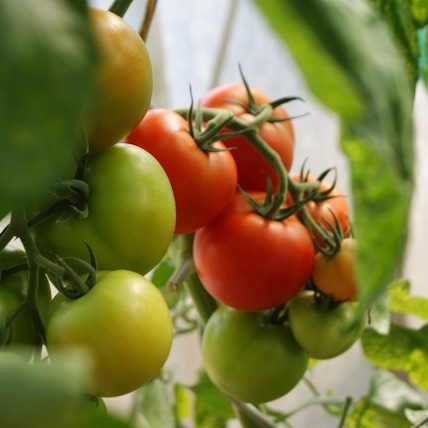
If you've only ever grown modern hybrid tomatoes, you're missing out on something special. Heritage varieties offer flavours that commercial breeding left behind decades ago: rich, complex, sweet, tangy, the kind of taste that reminds you why you bother growing your own in the first place.
March is prime time for starting tomato seeds indoors, so let's look at some heritage varieties that are absolutely worth a spot in your greenhouse or on your windowsill.
Why Heritage Tomatoes?
Modern tomato breeding prioritises shelf life, disease resistance, and uniform ripening. All useful for commercial growers, but flavour often gets sidelined.
Heritage tomatoes were selected by gardeners and small farmers who actually ate them. The focus was taste, and it shows. These are tomatoes with character: sweet, acidic, rich, complex. The kind you eat warm off the vine and can't quite believe you grew yourself.
They're also open-pollinated, so you can save seeds and grow them again next year. Once you find a favourite, you've got it for life.
Our Top Heritage Tomatoes
Brandywine
An Amish heirloom dating back to 1885, Brandywine is the tomato by which all others are judged. The fruits are huge (often 500g+), deep pink, and incredibly flavourful with a perfect balance of sweet and acid.
It's a beefsteak type, perfect for slicing onto sandwiches or eating fresh. Plants are indeterminate (keep growing all season) and need sturdy support. Not the heaviest cropper, but the flavour makes up for it. Needs a long season, so best grown in a greenhouse in the UK.
Black Krim
Originally from Crimea, this is one of the best 'black' tomatoes (actually deep purple-brown). The flavour is rich, sweet, and slightly smoky with low acidity. Absolutely stunning sliced in salads.
Fruits are medium-large (200-300g) and the plants are fairly vigorous and reliable. It's more cold-tolerant than many heritage varieties, so worth trying outdoors in a sheltered spot as well as under cover.
Green Zebra
A more recent heirloom (1983), but it's earned its place. The fruits stay green when ripe, with yellow stripes, and have a zingy, tangy flavour that's brilliant in salads or salsas.
Medium-sized fruits (80-100g) are produced prolifically on indeterminate plants. It's reliable, productive, and the flavour is completely different from standard tomatoes. You'll know they're ripe when the background colour shifts from dark green to yellow-green and they feel slightly soft.
Costoluto Fiorentino
An Italian heirloom with deeply ribbed, wonderfully ugly fruits. They're intensely flavourful, meaty, and perfect for cooking (amazing in sauces) or eating fresh.
Fruits are medium-large and the plants are productive and fairly robust. The irregular shape means they're not great for slicing neatly, but who cares when they taste this good? Works well outdoors in good summers.
Cherokee Purple
A Tennessee heirloom with dusty rose-purple fruits and exceptional flavour. Sweet, rich, and complex with a smooth texture. These are proper 'close your eyes and savour it' tomatoes.
Large fruits (250-350g) on indeterminate plants. Needs a long season and good conditions, so greenhouse growing is safer in the UK. Not the easiest to grow, but worth the effort.
Gardener's Delight
A British classic from the 1950s. Technically not ancient, but it's stood the test of time for good reason. Produces masses of sweet, cherry-sized fruits with excellent flavour.
Incredibly reliable, even in rubbish summers. Plants are vigorous and will crop heavily from July until frost. Perfect for beginners wanting to try heritage varieties without too much risk. Grows well outdoors or in a greenhouse.
Growing Tips for Heritage Tomatoes
Sowing
Sow seeds in March (early March for greenhouse plants, mid-to-late March for outdoor varieties). Use small pots or modules, one or two seeds per pot, and keep somewhere warm (18-21°C) until germination.
Once seedlings emerge, move to bright light and slightly cooler conditions (16-18°C) to prevent legginess. Pot on into larger containers as they grow.
Greenhouse vs Outdoors
Many heritage tomatoes need more warmth and a longer season than modern varieties. Brandywine, Cherokee Purple, and Black Krim do best in a greenhouse in the UK.
Hardier varieties like Gardener's Delight, Costoluto Fiorentino, and (in a good year) Black Krim can succeed outdoors in a sheltered, sunny spot. Use the south-facing wall of your house if you have one.
Support and Training
Most heritage tomatoes are indeterminate (cordon types), meaning they keep growing upward all season. They need sturdy support: canes, strings, or a strong frame.
Pinch out side shoots regularly to keep plants to a single main stem. This focuses energy into fruit production rather than excess foliage. Stop plants in late summer (pinch out the growing tip) to let existing fruits ripen before autumn.
Feeding and Watering
Tomatoes are hungry feeders. Once the first fruits start forming, feed weekly with tomato fertiliser (high potassium). Water consistently; erratic watering causes split fruits and blossom end rot.
Common Issues
Heritage varieties can be more susceptible to blight than modern resistant varieties. Good airflow, avoiding wetting foliage, and removing affected leaves quickly all help. Some gardeners spray with copper-based fungicides preventatively.
Blossom end rot (black patches on fruit bases) is caused by calcium deficiency, usually due to inconsistent watering. Keep soil evenly moist and consider adding lime if your soil is acidic.
Saving The Seeds
One of the joys of heritage tomatoes is saving seeds. Here's the simple method:
Choose a perfect, ripe fruit from your healthiest plant. Scoop the seeds and surrounding gel into a jar, add a splash of water, and leave somewhere warm for 2-3 days. This ferments off the gel (which inhibits germination).
Once the mixture looks a bit manky and has a layer of mould on top, rinse the seeds thoroughly in a sieve. Spread them on a plate or kitchen paper to dry completely (1-2 weeks). Store in a paper envelope labelled with variety and date.
Those seeds will be viable for several years and you'll have tomatoes to share, swap, or grow again next season.
Why Grow Them?
Heritage tomatoes aren't always the easiest or most productive. They can be prone to problems, they're often slower to ripen, and they won't give you perfect uniform fruits.
But the flavour. The absolute, undeniable, 'this is what tomatoes are supposed to taste like' flavour makes every bit of effort worthwhile.
Growing them connects you to gardening history, preserves varieties that might otherwise disappear, and gives you something you genuinely cannot buy in any shop. When you bite into a sun-warmed Brandywine in August, you'll understand why people have been saving these seeds for generations.
This March, as you're starting your tomato seeds, give a heritage variety or two a try. You might just find your new favourite.