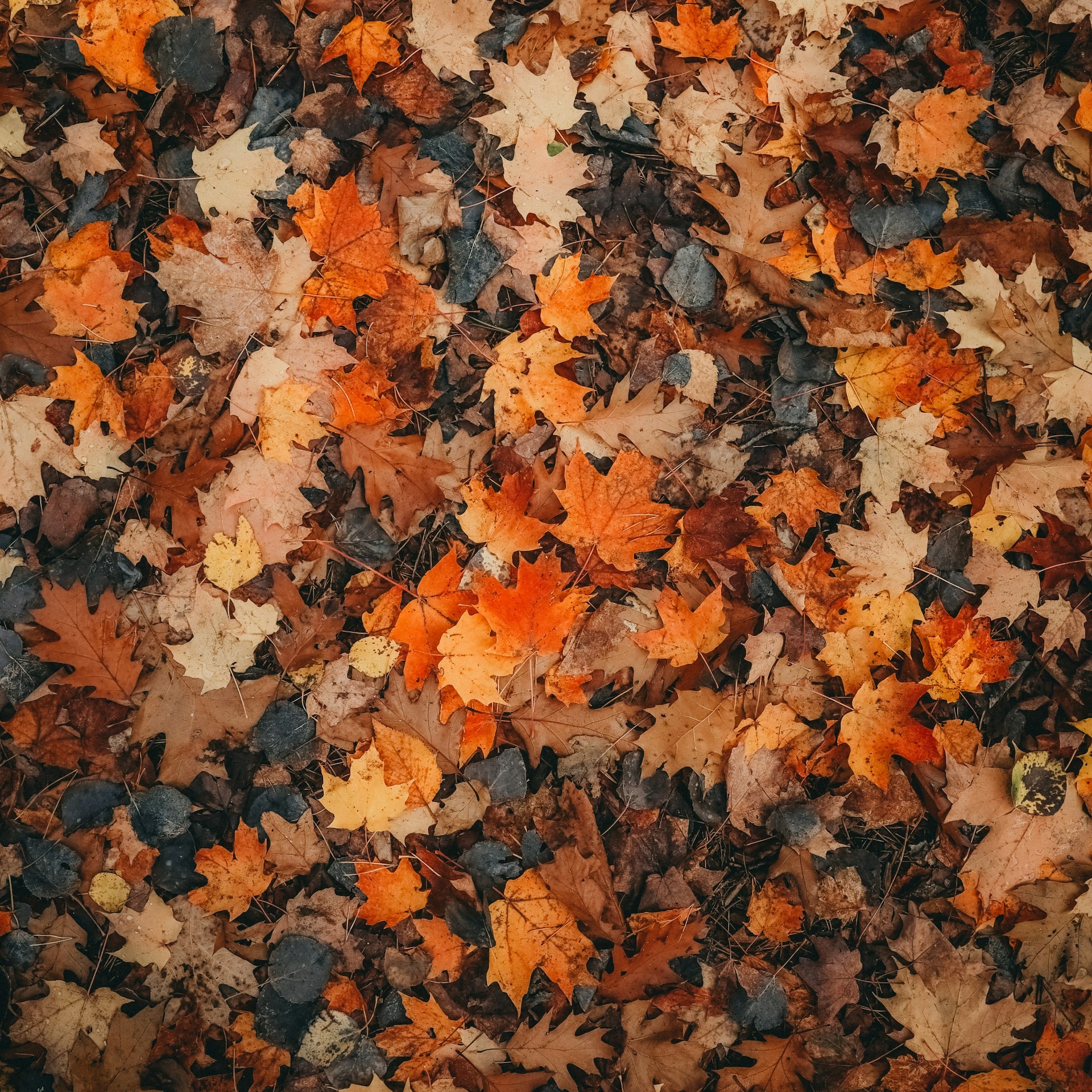
Every autumn, gardens across the country fill up with one of the best soil improvers there is, and most of it ends up in green bins. Fallen leaves, left to rot down slowly, turn into leaf mould: dark, crumbly and wonderful for soil.
It costs nothing, needs almost no effort, and the only real ingredient is patience.
What is leaf mould?
Leaf mould is simply leaves that have been broken down by fungi over a year or two. Unlike compost, it isn't very rich in nutrients. Its magic is in what it does to soil structure: it holds moisture, opens up heavy clay, helps sandy soil hold onto water, and feeds the soil life that keeps plants healthy.
Which leaves to use
Best: oak, beech and hornbeam rot down quickly into fine leaf mould.
Fine, but slower: sycamore, horse chestnut and sweet chestnut. Shred them first to speed things up.
Leave out: tough evergreen leaves like laurel and holly, and conifer needles in any quantity. They take years to break down.
Collect leaves from your own garden, or ask neighbours. Avoid leaves from busy roadsides.
The bin bag method
Rake up leaves after rain, or wet them with a watering can. They need to be damp to rot.
Stuff them into bin bags or old compost bags.
Poke holes in the bags with a garden fork for air and drainage.
Tie the tops loosely and stack them somewhere out of the way, behind the shed is perfect.
The leaf cage method
Got lots of leaves? Hammer four posts into the ground and wrap chicken wire around them to make a simple cage. Pile in the leaves, tread them down, and keep adding all autumn. Water the pile if it dries out in summer.
Running the lawn mower over leaves before you collect them chops them up and speeds the whole process along.
How long does it take?
After about a year you'll have a rough leaf mould, perfect for mulching around plants.
After about two years it becomes fine and crumbly, good enough to sieve and mix into home-made seed or potting compost.
A seed sower's secret
Fine, two-year-old leaf mould is low in nutrients and holds moisture beautifully, which makes it a lovely ingredient in seed compost. Mix it half and half with sieved garden compost or peat-free compost, and you have a free sowing mix for next spring.
It's one more way of growing more from what you already have, like saving seeds and swapping your surplus on Sow Revolution.