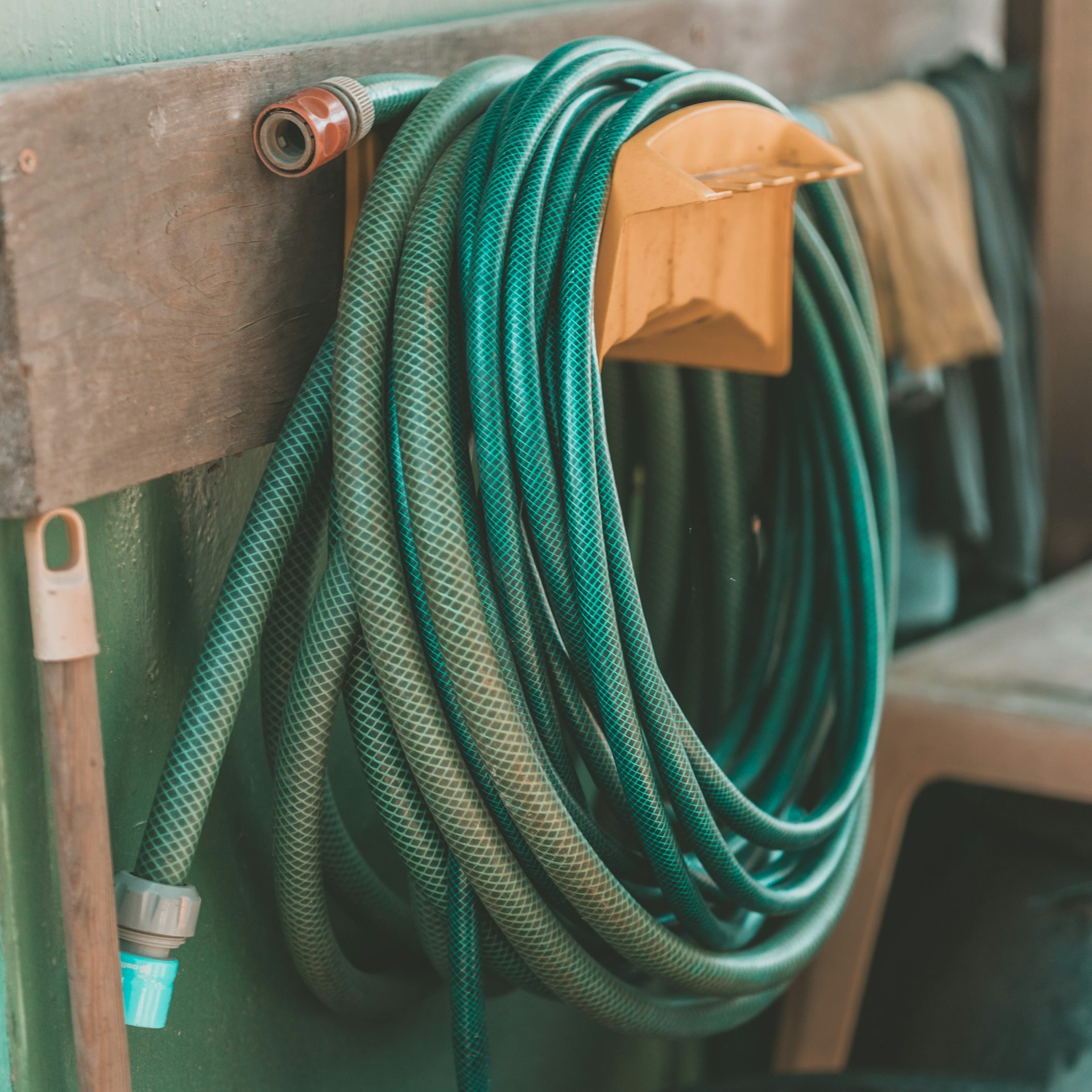
A hosepipe ban always seems to land at the worst possible moment: peak summer, when your tomatoes are fruiting, your containers are drying out by lunchtime, and everything you sowed in spring is relying on you for water.
It doesn't have to mean watching your garden shrivel. With a bit of prioritising and a change in technique, you can keep the plants that matter alive and productive on a fraction of the water, and pick up habits worth keeping even after the ban lifts.
What a Hosepipe Ban Actually Means
A hosepipe ban (officially a 'Temporary Use Ban') restricts using a hosepipe connected to the mains supply for things like watering the garden, washing the car, or filling a pond or paddling pool. Sprinklers and most connected drip or leaky pipe irrigation systems fall under the ban too, since they're fed from a hosepipe fitting.
What's still allowed is watering with a can or a bucket, even if you fill it from an outside tap, along with using water already stored in a water butt or collected as greywater. Rules vary slightly between water companies, so it's worth checking your supplier's exact terms, but a watering can is almost always your safest option.
Priority Watering: Where to Spend Your Water
Water These First
Anything sown or planted in the last six weeks hasn't built a root system deep enough to cope without help, so seedlings, young transplants, and anything recently potted on need consistent water above almost everything else.
Fruiting vegetables at a critical stage (tomatoes, courgettes, beans, and squash once they're flowering and setting fruit) need steady moisture too; irregular watering here causes blossom end rot, split fruit, and bitter cucumbers. Containers and hanging baskets dry out fastest of all, often within a day in hot weather, and have nowhere else to draw moisture from.
Let These Fend for Themselves
Lawns can go brown and dormant without dying; they'll green up again within a couple of weeks of proper rain. Established perennials, shrubs, and mature trees have deep root systems built up over years and can generally cope with a dry spell better than you'd think. Save your water for the plants that genuinely can't survive without it.
Making Every Drop Count
Collect and Reuse
Water butts connected to downpipes are the obvious source, but don't stop there: washing-up water (once cooled and free of harsh detergents or excessive grease) and bathwater can both go on ornamental plants. Use greywater quickly rather than storing it, and avoid it on edible crops you'll eat raw.
Water Smart, Not Often
Water at the base of the plant rather than over the leaves, and do it in the early morning or evening when evaporation is lowest. A single deep soak that reaches the roots does far more good than a light daily sprinkle that only wets the surface and encourages shallow, drought-vulnerable roots.
Mulch Heavily
A thick layer of compost, well-rotted manure, grass clippings, or even cardboard over damp soil locks moisture in for days longer than bare soil ever manages. Apply it after watering, not before, so you're sealing moisture in rather than blocking it out.
Reducing the Need to Water in the First Place
Weeds compete directly with your plants for whatever water is available, so staying on top of weeding during a dry spell isn't just tidiness, it's water conservation. Bare soil loses moisture fast through evaporation, so keep beds covered with mulch or planting rather than leaving gaps.
Grouping thirsty plants together (hydrozoning) means your watering effort is concentrated where it's needed rather than spread thinly across the whole plot. Windbreaks, whether a hedge, fence, or even a row of taller plants, reduce the drying effect of wind on exposed beds and containers.
Improving soil structure with organic matter over time helps it hold onto moisture for longer between waterings, which pays off in every dry spell from now on, not just this one.
Playing the Long Game
Accept that something will probably struggle this year, and that's fine. Prioritise the crops you actually want to eat over ornamentals that will recover regardless, and don't feel guilty about a scorched lawn or a sacrificed flower bed.
A hosepipe ban is also a good prompt to invest in more water butts, mulch more consistently as a habit rather than a crisis measure, and lean towards drought-tolerant varieties when you're planning next year's sowing. If you end up with a surplus of anything that did cope well, that's exactly the kind of thing worth sharing or swapping with other gardeners nearby.