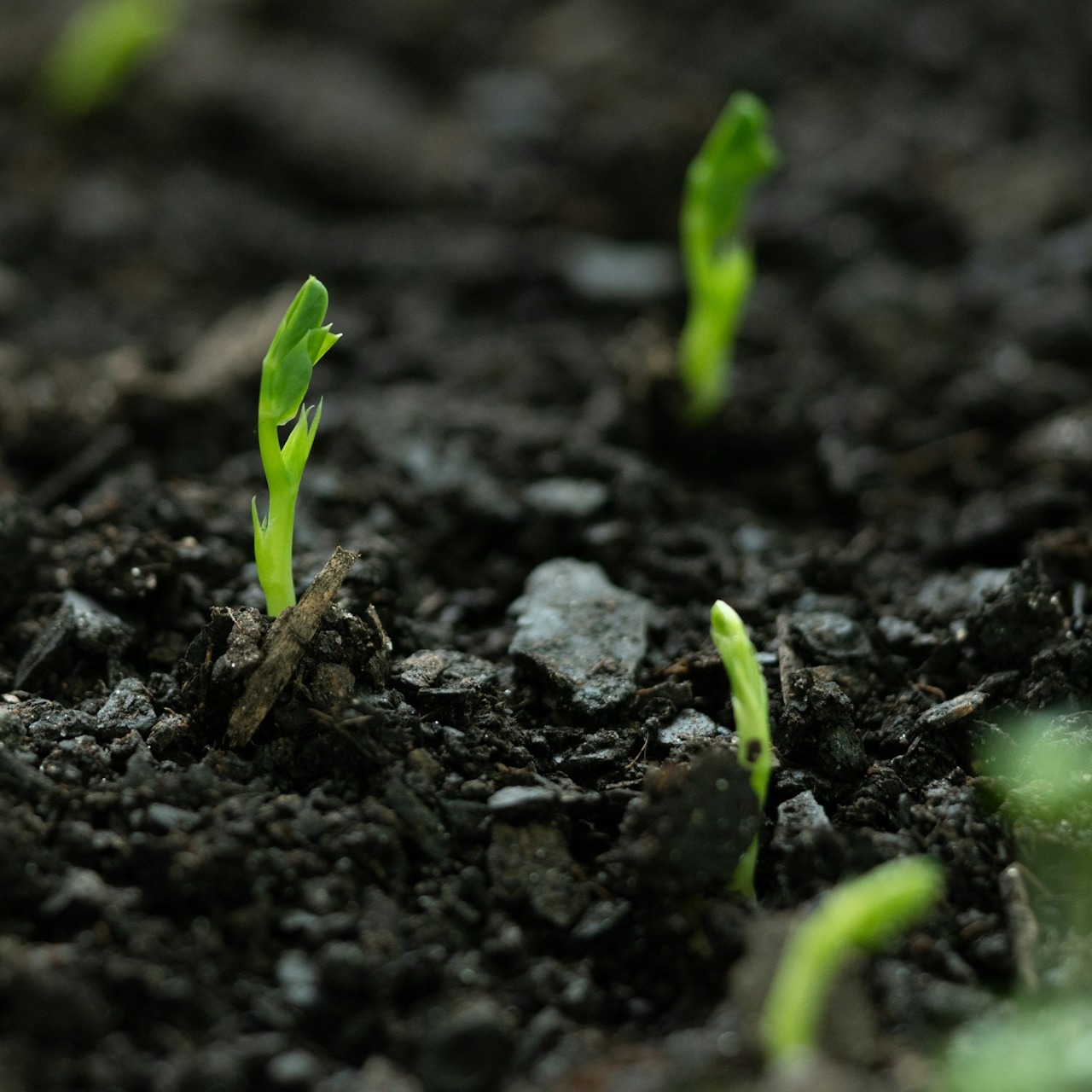
March is when the gardening year properly kicks off. The soil's starting to warm up, days are getting longer, and suddenly there's a million things clamouring for your attention. It's exciting and slightly overwhelming in equal measure.
The trick is knowing what actually needs doing now versus what can wait. Here's how to prioritise your March workload so you're making the most of this crucial month.
Priority 1: Get Seeds in the Ground (or Modules)
March is prime sowing time for loads of crops, and missing the window means delayed harvests or stunted plants trying to grow in summer heat.
Outdoors (if soil is workable):
Broad beans (if not already in)
Peas (early and maincrop varieties)
Carrots (early varieties under fleece)
Parsnips
Salad leaves (rocket, lettuce, spinach)
Radishes
Spring onions
Indoors:
Tomatoes (early to mid-March for outdoor varieties, late March for greenhouse)
Peppers and chillies (if not done in February)
Aubergines
Cucumbers (late March)
Summer brassicas (calabrese, summer cabbage)
The soil temperature matters more than the calendar. If your soil is waterlogged or freezing, wait. A week's delay beats seeds rotting in cold, wet ground.
Priority 2: Prepare Beds for Spring Planting
If you didn't get beds sorted in February, do it now before the sowing rush hits properly. You want the soil ready so when conditions are right, you can sow immediately.
Remove any winter weeds (they're about to set seed, so get them now). Rake beds to a fine tilth for small seeds like carrots. For larger seeds or transplants, rougher is fine.
If you're adding compost or manure, do it now for hungry feeders like courgettes, squash, and brassicas. Root crops like carrots and parsnips prefer soil that was manured the previous year, so skip adding fresh stuff to those beds.
Get supports in place for peas and beans while the beds are still clear. It's much easier than trying to install them around growing plants.
Priority 3: Protect Early Sowings
March weather is unpredictable. One day it's glorious sunshine, the next it's sleet. Anything you sow outdoors now benefits from protection.
Fleece, cloches, or cold frames all help. They warm the soil, protect from frost, and stop birds demolishing your pea shoots. Even a simple layer of fleece pegged over a row makes a massive difference to germination rates and early growth.
If you're sowing carrots or parsnips, consider covering with environmesh from the start. It keeps carrot fly out and saves you dealing with maggoty roots later.
Priority 4: Pot On Indoor Seedlings
Anything you started in February (chillies, early tomatoes, aubergines) will be outgrowing its modules by now. Pot-bound seedlings get stressed and stunted, so move them into larger pots before roots start circling.
Check for roots poking out drainage holes or plants that look too big for their container. Pot up into 9cm pots using good quality compost, water gently, and keep them somewhere bright and frost-free.
Don't be tempted to move them outside yet, even on warm days. Nights are still cold and one unexpected frost will set them back weeks.
Priority 5: Start Hardening Off Early Crops
If you've got hardy crops like broad beans, peas, or early brassicas that were started indoors, late March is the time to begin hardening them off ready for planting out in April.
Put them outside during the day, bring them in at night. Gradually increase outdoor time over 7-10 days. This acclimatises them to wind, temperature fluctuations, and UV light (which is much stronger outdoors than through glass).
Don't rush it. Plants that are properly hardened off establish faster and grow stronger than those that get shocked by a sudden transition.
What Can Wait
Some jobs feel urgent but genuinely can wait until April:
Planting tender crops like beans, courgettes, squash outside (they'll just sulk in cold soil)
Major structural projects like building new beds (sowing season is here, build later)
Extensive weeding of paths and non-growing areas (focus on beds first)
Pruning summer-flowering shrubs (they can wait until after flowering)
March is short and packed. Focus on the time-sensitive stuff: sowing, protecting, and preparing. Everything else can be tackled once the critical window closes.