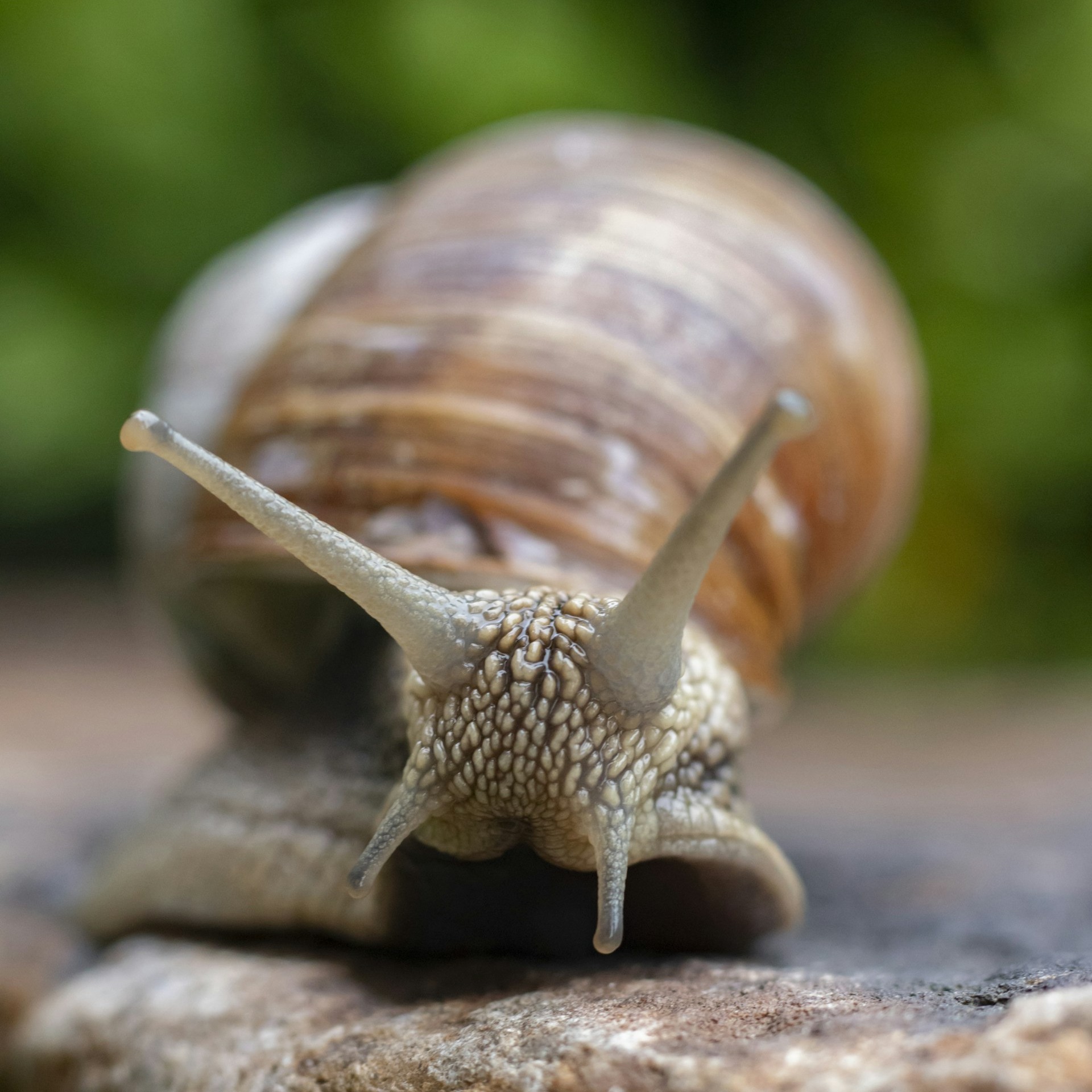
June is peak slug and snail season. Warm, damp nights bring them out in force, right when your seedlings, dahlias, and hostas are at their most vulnerable. A single wet night can undo weeks of careful growing.
Reaching for slug pellets isn't the only answer, and with metaldehyde pellets now banned in the UK, most gardeners are looking for other options anyway. Here's what actually works.
Why June Is the Danger Zone
Slugs and snails thrive in mild, damp conditions, and June often delivers exactly that: warmer soil, longer evenings, and enough rain to keep things moist. It's also when many of your most tender plants (young beans, dahlias, hostas, lettuce) are freshly planted out and at their softest, most appealing stage.
Understanding their habits helps: they're most active at night and after rain, and they hide during the day in cool, damp spots such as under pots, in long grass, or beneath decaying leaves.
Physical Barriers and Deterrents
Copper Tape and Rings
Copper reacts with slug slime to give a mild electric shock, deterring them from crossing. Copper tape around pots or raised bed edges, or copper rings around individual vulnerable plants, works well, but only if it's kept clean and unbridged by leaves or weeds touching over the top.
Wool Pellets and Grit
Sharp, gritty materials such as crushed eggshell, sharp grit, or wool pellets create a texture slugs dislike crossing. They're not foolproof, especially in wet weather when everything softens, but combined with other methods they help.
Barriers and Cloches
Plastic bottle cloches over young, vulnerable plants give physical protection while they establish. Remove once the plant is sturdier and less appealing.
Biological Control
Nematodes (Phasmarhabditis hermaphrodita) are microscopic organisms you water into the soil that infect and kill slugs underground, without harming birds, hedgehogs, pets, or other wildlife. They're one of the most effective options available and are widely used by organic growers.
Apply when soil temperature is above 5°C, easily achieved in June, and reapply every six weeks for ongoing protection. They only affect slugs, not snails, since snails largely live above ground.
Encouraging natural predators helps too: frogs, toads, hedgehogs, ground beetles, and birds all eat slugs and snails. A pond, log pile, or simply leaving a slightly wild corner of the garden makes a real difference over a season.
Cultural Controls
Watering in the morning rather than the evening means the soil surface dries out before nightfall, when slugs are most active, making conditions less inviting.
Clear away decaying leaves, dense ground cover, and debris where slugs shelter during the day. Raised beds and pots on feet also make it harder for slugs and snails to reach plants in the first place.
Beer traps (a shallow dish of beer sunk into the soil) do work, drowning slugs drawn to the yeast, though they need emptying and refilling regularly and can also catch beneficial ground beetles.
Choosing tougher, less palatable plants for the worst-affected spots, and growing vulnerable seedlings on in pots until they're bigger and better able to withstand some damage, also reduces losses.
Building a Strategy
No single method eliminates slugs and snails completely, and that's fine: a few nibbled leaves are a normal part of organic gardening. The goal is reducing damage to a tolerable level, not total eradication.
Combine a few approaches: nematodes for underground control, copper or grit around your most precious plants, morning watering, and a garden that welcomes natural predators. Together, they'll get your seedlings through June's danger zone with far less damage than pellets alone ever managed.