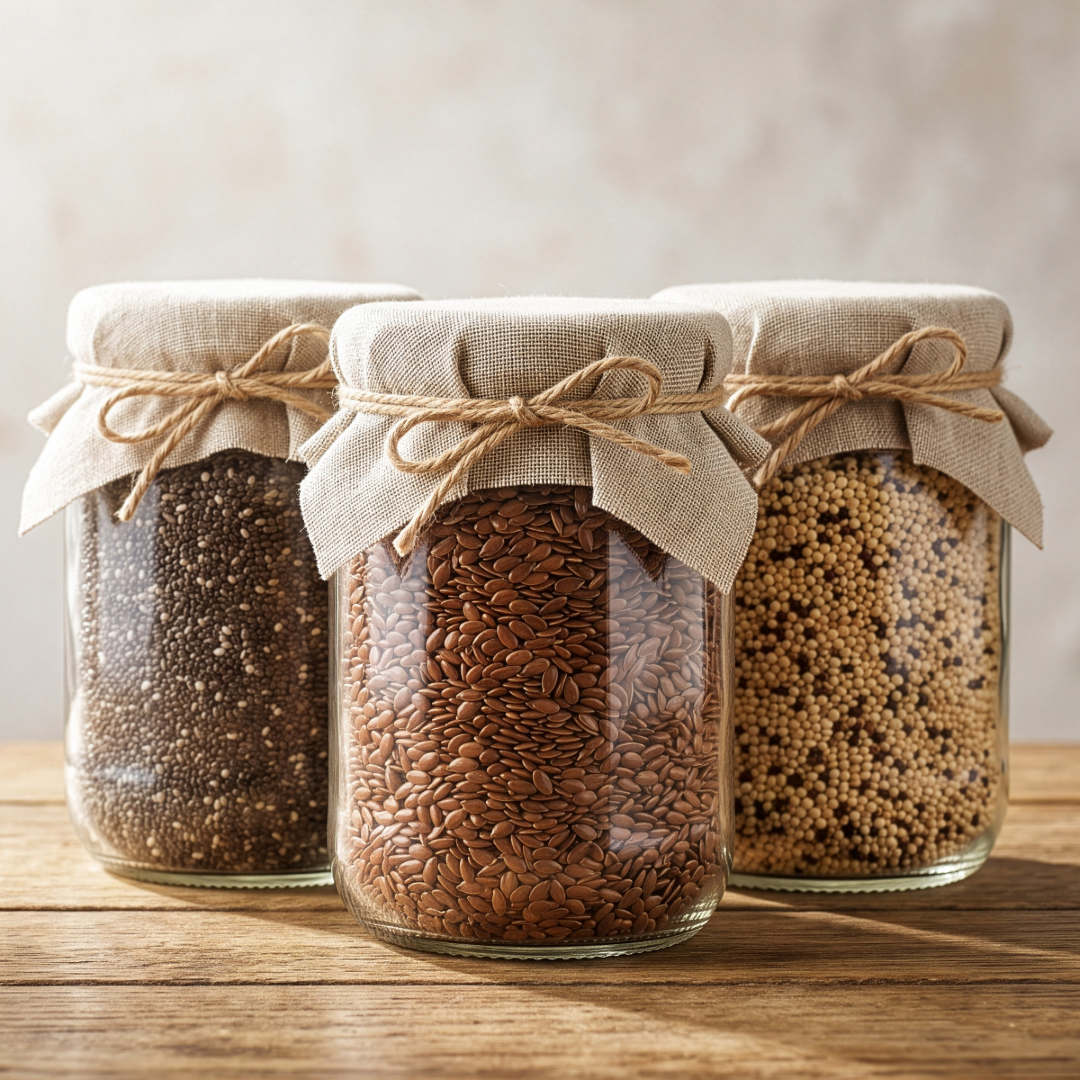
You might have seen the recent news that the UK government has urged households to stock up on food, "just in case the food supply chain is interrupted." But it got us thinking. A tin of beans feeds you once. A packet of bean seeds can feed you for years. So maybe, alongside the pasta and the tinned tomatoes, those of us with the privilege of a garden or allotment should be stocking up on seeds too.
A cupboard that grows
Food on a shelf only goes down. Seeds go the other way. One runner bean plant can give you dozens of pods, and if you leave a few to dry on the vine, next year's seeds are sorted. A single ripe tomato holds enough seed for a whole street's worth of plants.
Saving seed isn't about bracing for the worst. It's about having a bit more control over what you grow, where it comes from, and how it tastes. It's also one of the most satisfying jobs in the garden.
Autumn is seed saving season
Now is the perfect time to start. Look around your garden or allotment and you'll probably find seeds almost ready to save:
Beans and peas: leave some pods on the plant until they're dry and papery, then shell them.
Tomatoes: scoop the seeds from a ripe fruit, leave them in a little water for a few days to ferment, rinse, then dry on a plate.
Lettuce, rocket and herbs: let a plant bolt and flower, then shake the dry seed heads into a paper bag.
Flowers: marigolds, sunflowers, nasturtiums and cosmos are all easy wins.
One tip: open-pollinated and heritage varieties will "come true" from saved seed. F1 hybrids usually won't, so check the packet before you start.
No garden? No problem
Chillies, cherry tomatoes and many herbs are all happy in pots indoors. Let a plant or two go to seed, collect it, and you've started your own seed bank from a windowsill.
Keeping your seeds happy
Seeds like it cool, dry and dark. Paper envelopes are ideal because they let any leftover moisture escape. Label everything with the variety and the date (trust us, you won't remember). An airtight tin in a cool cupboard makes a lovely little seed bank.
Stored well, most seeds will keep for several years. Some, like parsnips, are best used the following season, so sow those first.
Resilience is better shared
A seed collection is great. A community of seed collections is even better. When you swap seeds with other growers you get more variety and plants that have proved themselves in local conditions, and if one crop fails there's always someone with a spare packet.
That's what Sow Revolution is for. Save a few extra this autumn, list them for swapping, and see what your neighbours have been growing. You might find a tomato that's been handed down for generations just a few streets away.
Start small, start now
You don't need a seed vault or a smallholding. One pod of beans, one tomato or one dried flower head is a start. By spring you'll have a small, living store that's worth more than a shelf of tins, and it'll grow back every year.
So yes, keep a few tins in the cupboard. But make some room for an envelope or two of seeds.