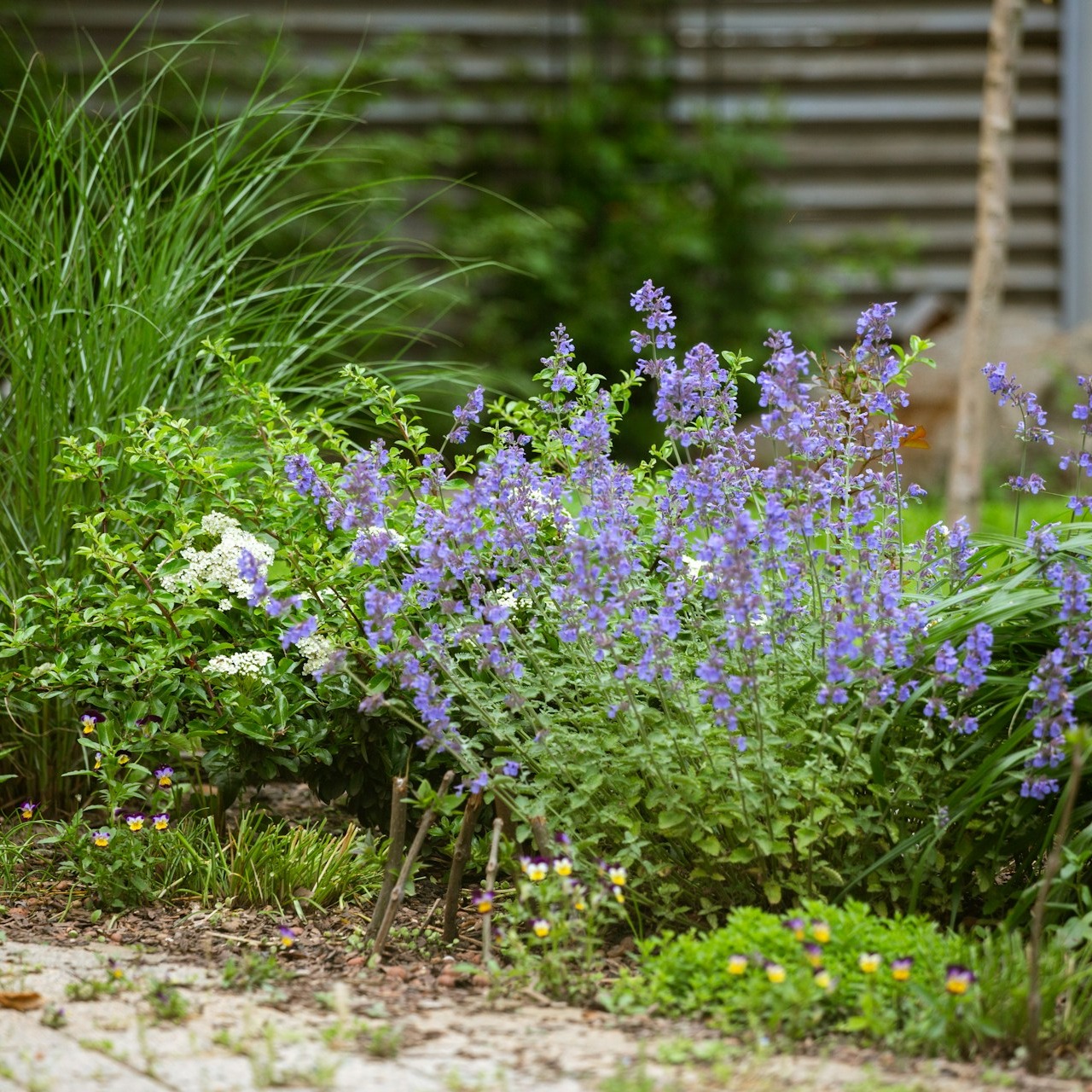
Named after the Chelsea Flower Show, held in late May, the Chelsea chop is one of the simplest tricks in a gardener's arsenal: cut back the right perennials at the right moment in early summer, and you'll get bushier growth, more flowers, and a longer season of colour.
It sounds almost too easy to work, and it does feel a bit brutal the first time you try it. But it's a technique used by professional growers for a reason, and it costs nothing but a pair of secateurs and a bit of nerve.
What Is the Chelsea Chop?
The Chelsea chop is exactly what it sounds like: cutting back the top growth of certain herbaceous perennials by around a third to a half, typically in late May or early June (around the time of the Chelsea Flower Show, hence the name).
Rather than harming the plant, this timely trim delays flowering by a few weeks, encourages side shoots, and results in a bushier, sturdier plant that often needs less staking. Many gardeners chop only half of a clump, giving two flushes of flowers at different times from the same plant.
Which Plants Benefit
Good Candidates
The technique works best on perennials that flower from mid-summer onwards and tend to get tall or floppy: sedum (now Hylotelephium), phlox, helenium, echinacea, rudbeckia, monarda (bergamot), asters, and nepeta (catmint) all respond well.
Plants to Avoid
Don't chop anything that flowers on growth made the previous year, or spring and early-summer bloomers like peonies, delphiniums, or oriental poppies; you'll simply cut off the flowers before they appear. Ornamental grasses and anything grown for its flower spike, like foxgloves, should also be left alone.
How and When to Do It
Timing matters more than precision. Aim for late May to mid-June, before flower buds have properly formed. Using clean, sharp secateurs, cut stems back by a third to a half, just above a leaf joint.
For a staggered display, chop the front or one side of a clump and leave the rest untouched: the cut section flowers later and shorter, the uncut section flowers on schedule, and you get weeks of extra colour from a single plant.
Water and feed lightly after cutting to help the plant recover and push out fresh growth.
Common Mistakes
The most common mistake is chopping too late, once flower buds are already forming, which just delays or ruins that year's display. If you're unsure, it's better to chop a little early than too late.
The second is chopping spring-flowering perennials by mistake. When in doubt, check what a plant flowers on and when before you reach for the secateurs.
Is It Worth It?
For sprawling, floppy perennials that always seem to flop over by July, the Chelsea chop is one of the lowest-effort, highest-reward jobs in the garden calendar. It reduces the need for staking, extends your flowering season, and costs nothing but a few minutes and a bit of confidence.
Try it on one clump this year if you're nervous; once you see the results, you'll be reaching for the secateurs every June.