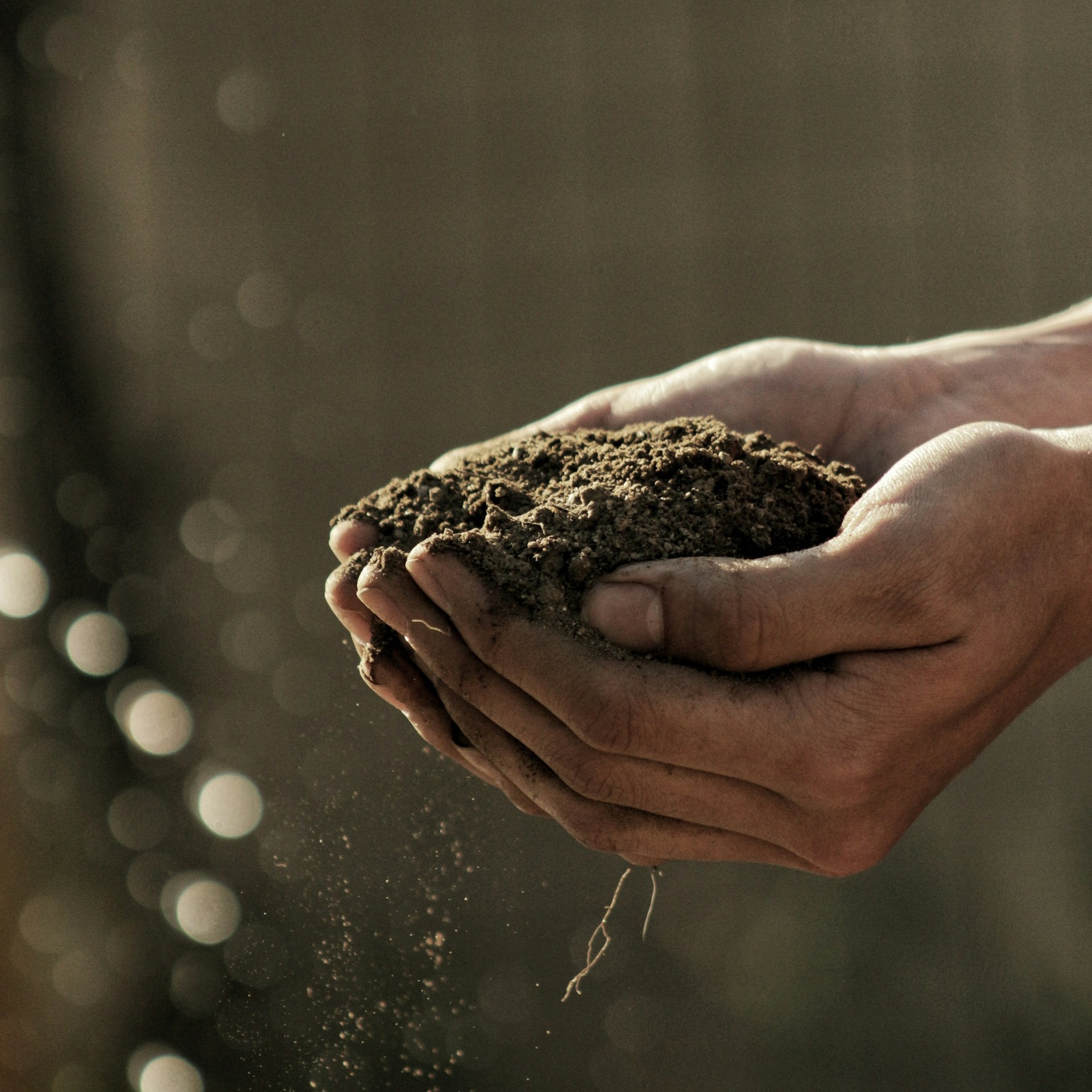
Soil is the living foundation of your garden, yet it often endures a tough time over winter. Heavy rain can wash away nutrients, cold weather and frost can damage its structure, and bare beds are vulnerable to weeds and erosion. The good news is there are a few simple things you can do to protect and even improve your soil during the colder months. By taking care of your soil now – through autumn and winter – you'll be rewarded with healthier, more fertile ground when spring returns.
Add Compost and Manure
Autumn is the perfect time to enrich your soil with organic matter. Spread a layer of well-rotted compost or manure over your vegetable beds and borders now. You don't even need to dig it in – winter weather and worms will work those nutrients down into the soil for you by spring. Adding organic matter improves soil structure, boosts fertility, and encourages beneficial microbes. Think of it as giving your soil a nourishing blanket for winter. Come planting season, you'll be glad you did, as your soil will be more crumbly, rich, and ready to support strong plant growth.
Mulch and Cover Bare Soil
Never leave your soil naked over winter. Bare soil can compact and lose nutrients in heavy rain. Protect it by mulching or covering it up. Spread leaves, straw, bark chippings, or even a layer of cardboard over empty beds once you've cleared out old crops. Mulching insulates the soil, helps regulate moisture, and prevents weeds from getting a foothold. An added bonus: a thick organic mulch will slowly break down, adding more organic matter to the soil. If you don't have mulch material, even laying an old breathable tarp or membrane can shield the soil from winter weather. The key is to keep that precious topsoil covered.
Sow Green Manure Crops
Green manures (also known as cover crops) are plants grown not to eat, but to improve the soil. Sowing a green manure in autumn is a fantastic way to protect soil and add nutrients. For example, you can sow fast-growing annual ryegrass or field beans in October. They will quickly cover the ground, their roots holding soil in place and scavenging nutrients that might otherwise wash away. Come spring, you simply dig them in or cut them down and leave them on the surface to decompose. This adds organic matter and often nitrogen (especially from legumes like field beans or winter peas) back into the soil. It's a natural, cost-effective fertiliser and ground protector in one.