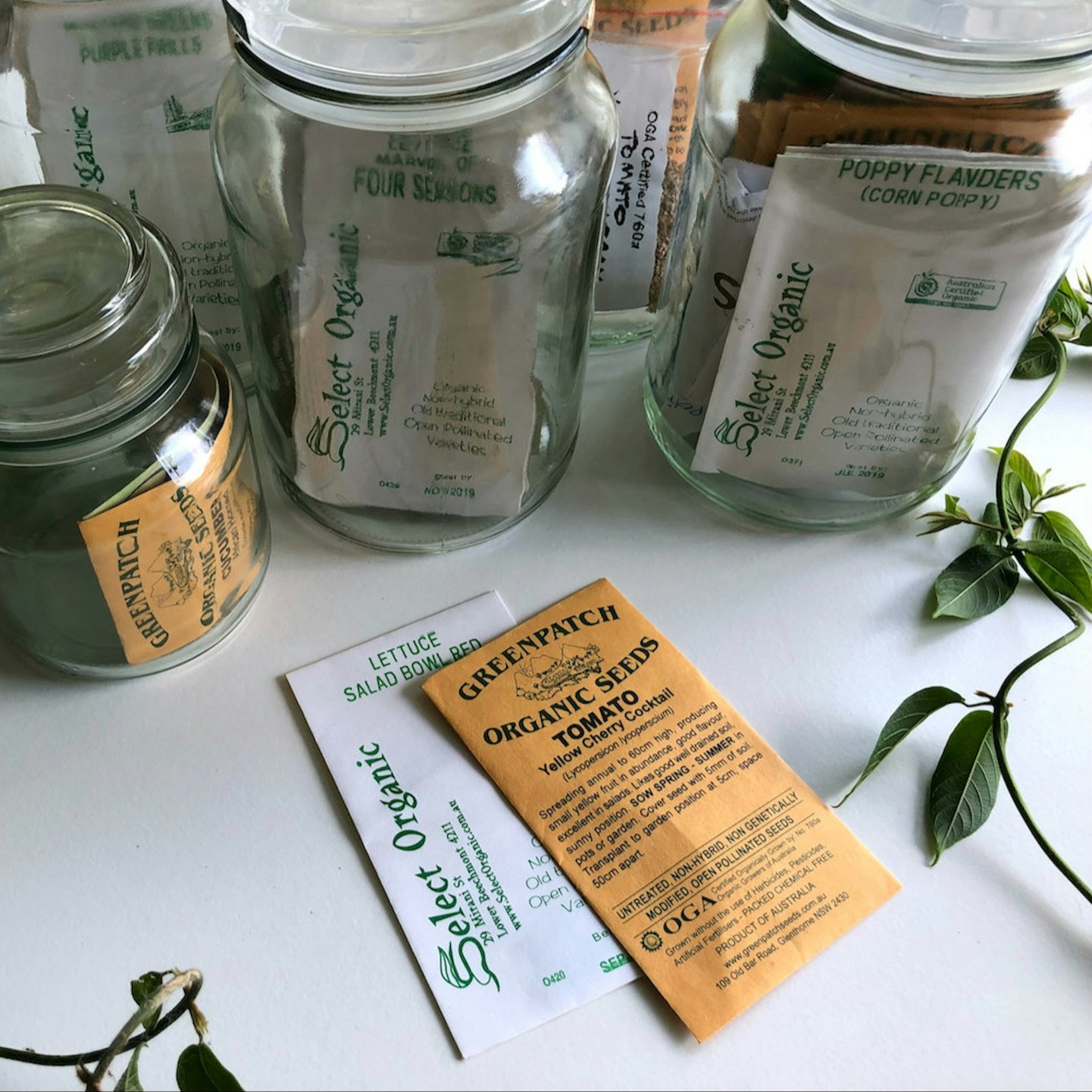
Walk into any garden centre and you'll be faced with rows of shiny seed packets promising bumper crops and picture-perfect blooms. But tucked away in the corners, sometimes in plain brown envelopes at seed swaps, or passed between gardeners with a knowing smile, are the real treasures: heirloom seeds. So what makes these seeds so special? And why should you care about adding them to your garden?
What Are Heirloom Seeds?
Heirloom seeds are varieties that have been passed down through generations, typically at least 50 years old, and are open-pollinated rather than hybridized. They're the gardening equivalent of a family recipe that's been handed down and perfected over decades.
Unlike modern F1 hybrids (which won't grow true from saved seed), heirlooms are stable. Save the seeds from this year's plants, and next year you'll get the same variety. It's gardening as it was meant to be – a continuous cycle of growing, saving, and sharing.
Why Heirloom Seeds Matter
They Preserve Biodiversity
Every time an heirloom variety disappears, we lose genetic diversity that took generations to develop. These aren't just plants – they're living libraries of adaptation, flavour, and resilience. In a world where just a handful of varieties dominate commercial agriculture, keeping heirlooms alive is crucial.
They Taste Better (Really)
Ever wonder why supermarket tomatoes taste like wet cardboard? Commercial varieties are bred for shelf life, uniform appearance, and disease resistance – not flavour. Heirlooms were selected by gardeners who actually ate them. That 'Cherokee Purple' tomato or 'Alderman' pea exists because someone, somewhere, thought "this tastes incredible" and saved the seeds.
They're Adapted to Local Conditions
Many heirloom varieties have been grown in specific regions for generations, developing natural resistance to local pests and tolerance for local weather quirks. That variety your neighbour swears by? It might perform better in your garden than any shop-bought seed simply because it's at home there.
They Connect Us to History
There's something magical about growing the same bean your great-grandmother grew, or nurturing a flower that brightened cottage gardens a century ago. Heirlooms carry stories – of immigration, survival, celebration, and everyday life. When you grow them, you're part of that story.
They Support Seed Sovereignty
Unlike patented hybrid seeds that must be purchased new each year, heirloom seeds can be saved, shared, and swapped freely. This keeps gardening accessible and puts the power back in growers' hands rather than corporations'.
Starting Your Own Heirloom Collection
Begin with What You Love
Don't feel you need to grow everything. Start with crops or flowers you actually want to eat or see in your garden. Love tomatoes? Start there. Mad about sweet peas? Perfect. Passion beats obligation every time.
Look for Local Varieties
Check if there are any varieties traditionally grown in your area. These are often the most reliable performers and connecting with local seed history is brilliant. Local seed swaps and heritage seed libraries are goldmines for regional treasures.
Join the Seed-Swapping Community
This is where the magic happens. Seed swaps (and platforms like Sow Revolution) let you try varieties you'd never find in shops, connect with other growers, and learn which seeds thrive in your area. Plus, swapping is how these seeds survived in the first place – it's tradition!
Start Saving Seeds
Once you're growing heirlooms, have a go at seed saving. Start with easy crops like beans, peas, and tomatoes. It's simpler than you think, incredibly satisfying, and means you'll have seeds to swap next season. You're not just growing plants anymore – you're becoming a seed guardian.
Keep Records
Jot down notes about what you grow: when you sowed it, how it performed, what the flavour was like, any quirks you noticed. These observations help you choose what to grow again and give you useful information to share when swapping seeds.
Don't Stress About Perfection
Heirloom varieties aren't always the tidiest or most uniform. That's part of their charm. Embrace the wonky tomatoes, the beans that ripen over several weeks rather than all at once, the flowers in slightly different shades. This is diversity in action.
A Few Heirlooms to Try This Year
'Alderman' Peas: Tall, sweet, and prolific. A Victorian favourite that's still unbeaten for flavour.
'Rainbow Chard': Stunning stems in red, yellow, orange, and white. As beautiful as it is tasty.
'Noir des Carmes' Melon: A French heirloom from the 1800s with incredibly sweet, orange flesh.
'Brandywine' Tomato: An Amish heirloom known for massive, flavourful fruits.
'Lazy Housewife' Bean: Yes, really. Named because the stringless pods are so easy to prepare.
Growing heirloom seeds isn't just about nostalgia – it's about building a more resilient, flavourful, and biodiverse future. Every seed you save, every variety you share, every heirloom you choose to grow is a small act of preservation.
So this year, why not add a few heirlooms to your garden plan? Your taste buds (and future generations) will thank you.