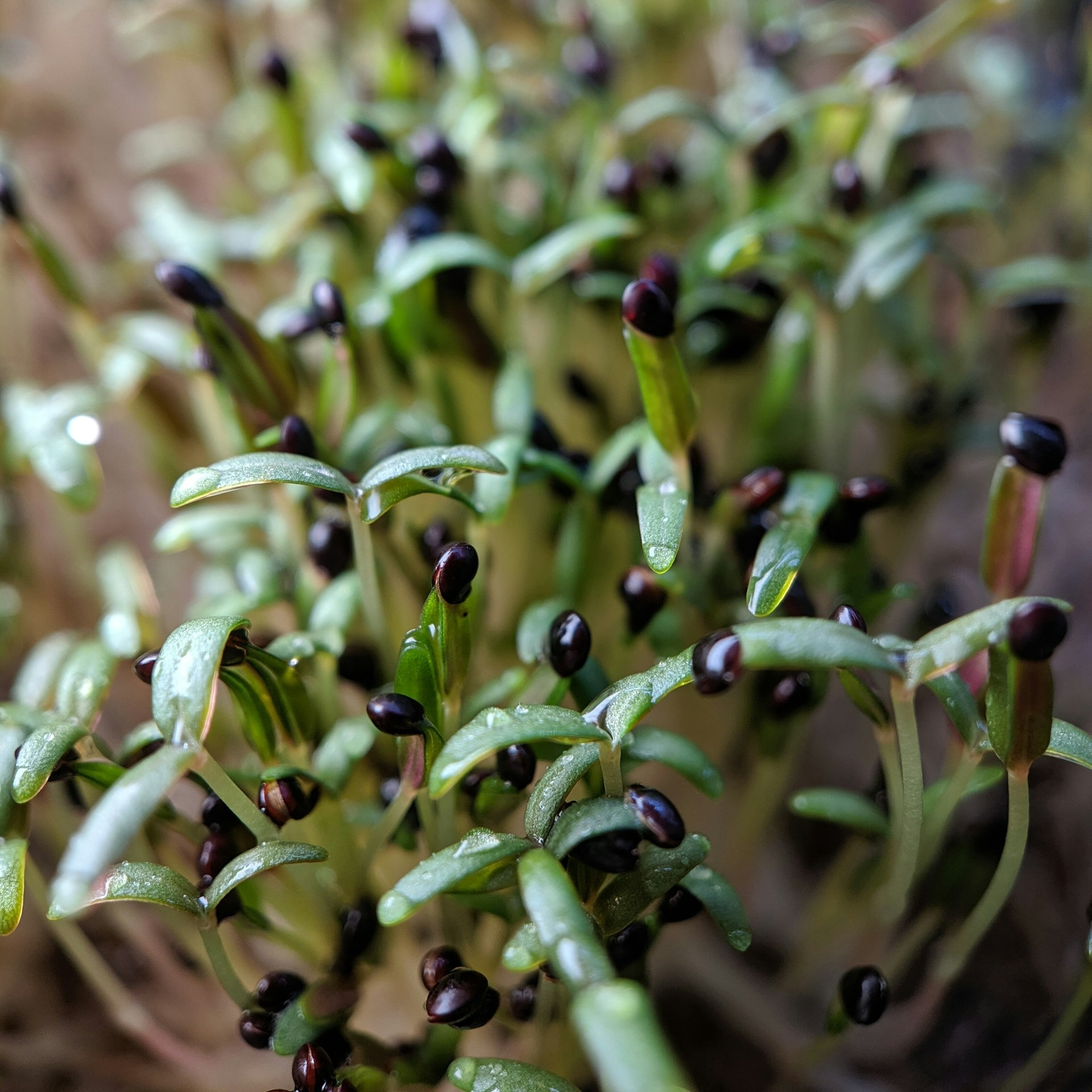
Every gardener has one: a tin, shoebox or kitchen drawer full of half-used seed packets, some with a sow-by date from three years ago. Are they still any good? Often, yes. The date on the packet is a guide, not a cliff edge. With ten minutes and a sheet of kitchen paper, you can find out exactly which of your old seeds are worth sowing, worth swapping, or ready for the compost heap.
Why seeds lose their oomph
A seed is a living thing in a deep sleep. Over time its stored energy runs down, and the speed it happens depends mostly on two things: heat and humidity. A packet kept in a cool, dry cupboard can stay viable for years longer than one left in a damp shed or a sunny greenhouse.
Viability doesn't drop to zero overnight either. Older seed tends to germinate more slowly and less evenly, then gradually fewer seeds come up at all.
How long do seeds last? A rough guide
Stored somewhere cool and dry, these are typical lifespans. Treat them as a starting point rather than a rule:
1–2 years: parsnip, onion, leek, chives, salsify
2–3 years: sweetcorn, carrot, peas, beans, spinach
3–5 years: lettuce, beetroot, chard, brassicas (cabbage, kale, broccoli), radish
5 years or more: tomato, cucumber, squash, pumpkin, courgette
Flower seeds vary just as much: sweet peas and calendula keep well, while delphiniums are best sown fresh.
The kitchen paper germination test
All you need is kitchen paper, a plastic bag or tub with a lid, and a pen.
Count out 10 seeds. Ten makes the maths easy.
Dampen a sheet of kitchen paper so it's moist but not dripping.
Spread the seeds out on one half, fold the other half over, and slide it into the bag or tub.
Label it with the variety and the date.
Keep it somewhere warm, such as on top of the fridge or in an airing cupboard. Most veg seeds like 18–22°C.
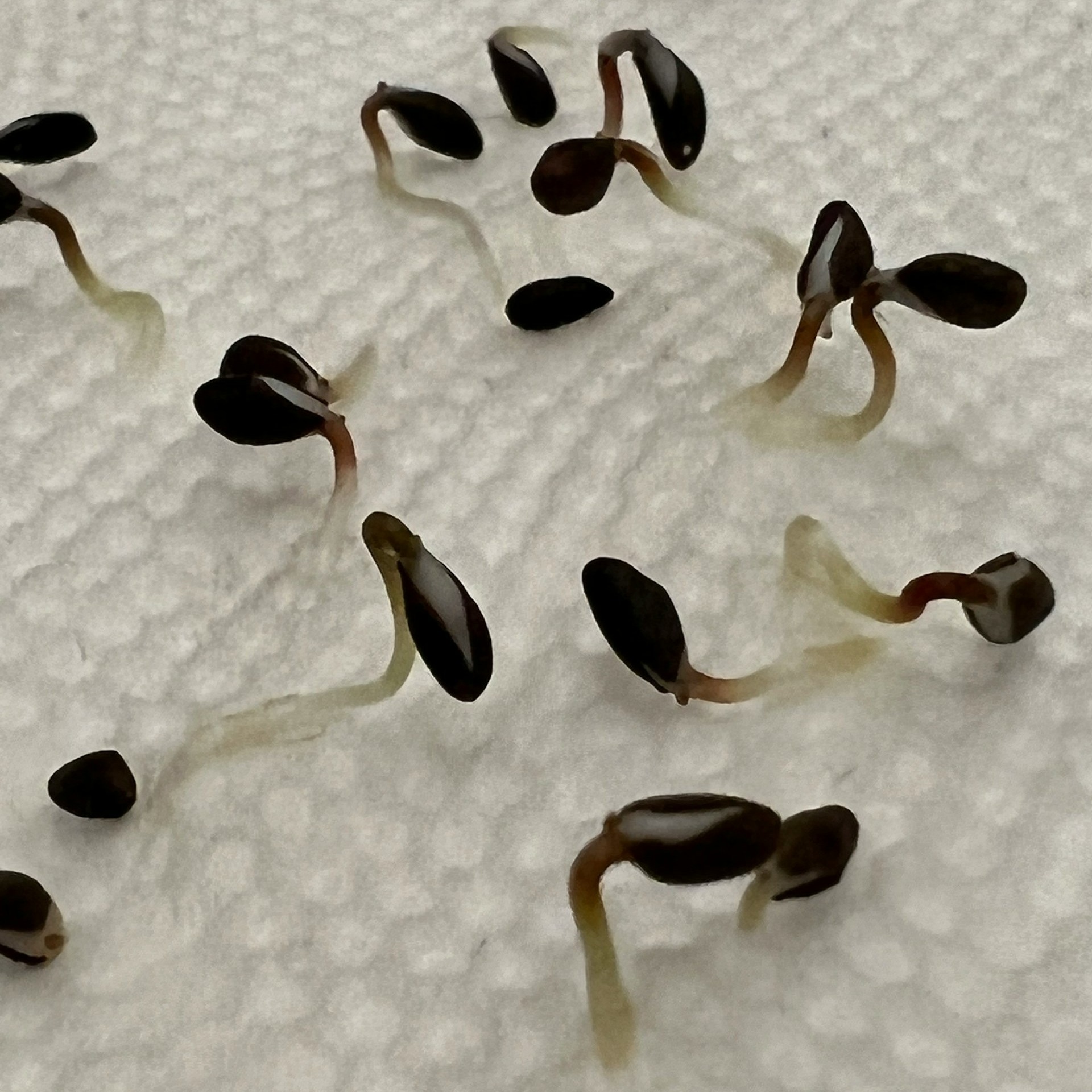
Check every couple of days and re-dampen if it's drying out. Count the seeds that have sent out a root.
Most seeds show their hand within 5–10 days. Slow germinators like parsley, parsnip and peppers can take two to three weeks, so give them time before writing them off.
Reading your results
8–10 sprouted: excellent. Sow as normal.
5–7 sprouted: still useful. Sow a little more thickly to make up for it.
2–4 sprouted: sow very thickly, or use them up as microgreens.
0–1 sprouted:Probably time to let them go and find fresh seed.
Bonus: any seeds that sprout in your test can be carefully potted up rather than wasted. Big seeds like beans and squash transplant easily.
Make your seeds last longer
Store seeds somewhere cool, dry and dark. A drawer indoors beats a garden shed.
Keep packets in an airtight tin or jar with a sachet of silica gel, or a spoonful of dry rice wrapped in tissue, to soak up moisture.
Label everything with the variety and the date you saved or bought it.
Use short-lived seeds like parsnips first, and save long-lived ones for later.
We covered the basics of saving your own seed in Stocking Up? Don't Forget the Seeds.
Test before you swap
Before you list older seeds on Sow Revolution, give them a quick germination test. It means the person you swap with knows they're getting seeds that are still viable. Add the harvest or purchase date when you list, if you know it, so swappers have a better idea of what they're getting.
Once you've tested them, keep the seeds you want for next year and list the rest on Sow Revolution. Clear out your seed stash and swap the extras for something new to grow.